- Disaster Risk Reduction & Climate Action
At CoDHNet, we understand that communities in the Horn of Africa face a wide range of challenges from natural disasters, conflicts, and climate change. Our Disaster Risk Reduction (DRR), Disaster Management, and Emergency Response Program is designed to build resilience, minimize risks, and provide life-saving assistance during emergencies.
Community Development and Humanitarian Network (CoDHNet) works with communities to strengthen resilience against climate change and disasters by promoting sustainable environmental practices, community preparedness, and local climate governance.
At Community Development and Humanitarian Network (CoDHNet), we empower communities to anticipate, prepare for, and respond effectively to disasters while promoting climate resilience.
Our Focus Areas
1. Disaster Risk Reduction (DRR)
- Conducting community vulnerability and hazard assessments.
- Developing early warning systems and disaster preparedness plans.
- Training local communities in risk reduction strategies and resilience-building.
2. Emergency Response
- Rapid mobilization during natural disasters, conflicts, and humanitarian crises.
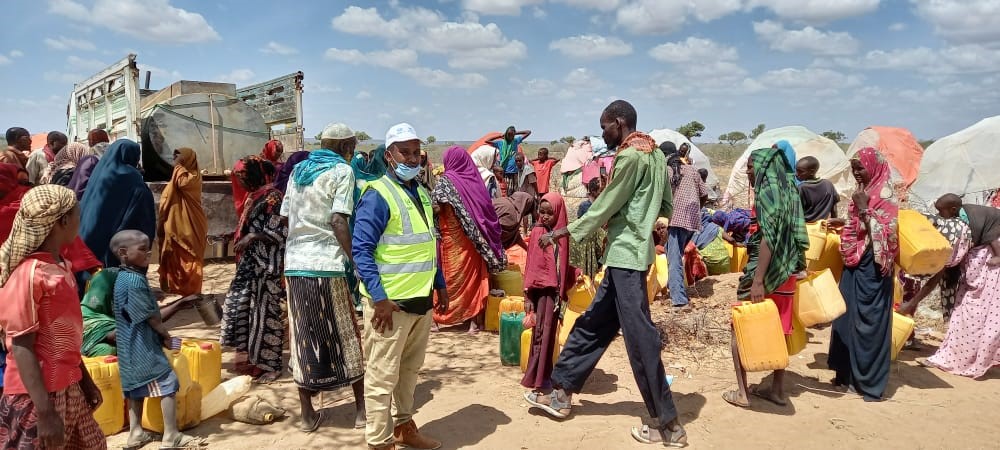
- Providing life-saving assistance including food, water, shelter, and medical support.
- Coordinating with local authorities and partners to ensure timely response.
3. Climate Action
- Supporting climate-smart agriculture and sustainable livelihoods.
- Promoting community-based climate adaptation initiatives.
- Raising awareness on climate change impacts and mitigation strategies.
Why It Matters
Disasters and climate change disproportionately affect vulnerable populations. By integrating DRR and climate action, CoDHNet ensures that communities are prepared, resilient, and able to thrive despite environmental challenges.
Key Initiatives
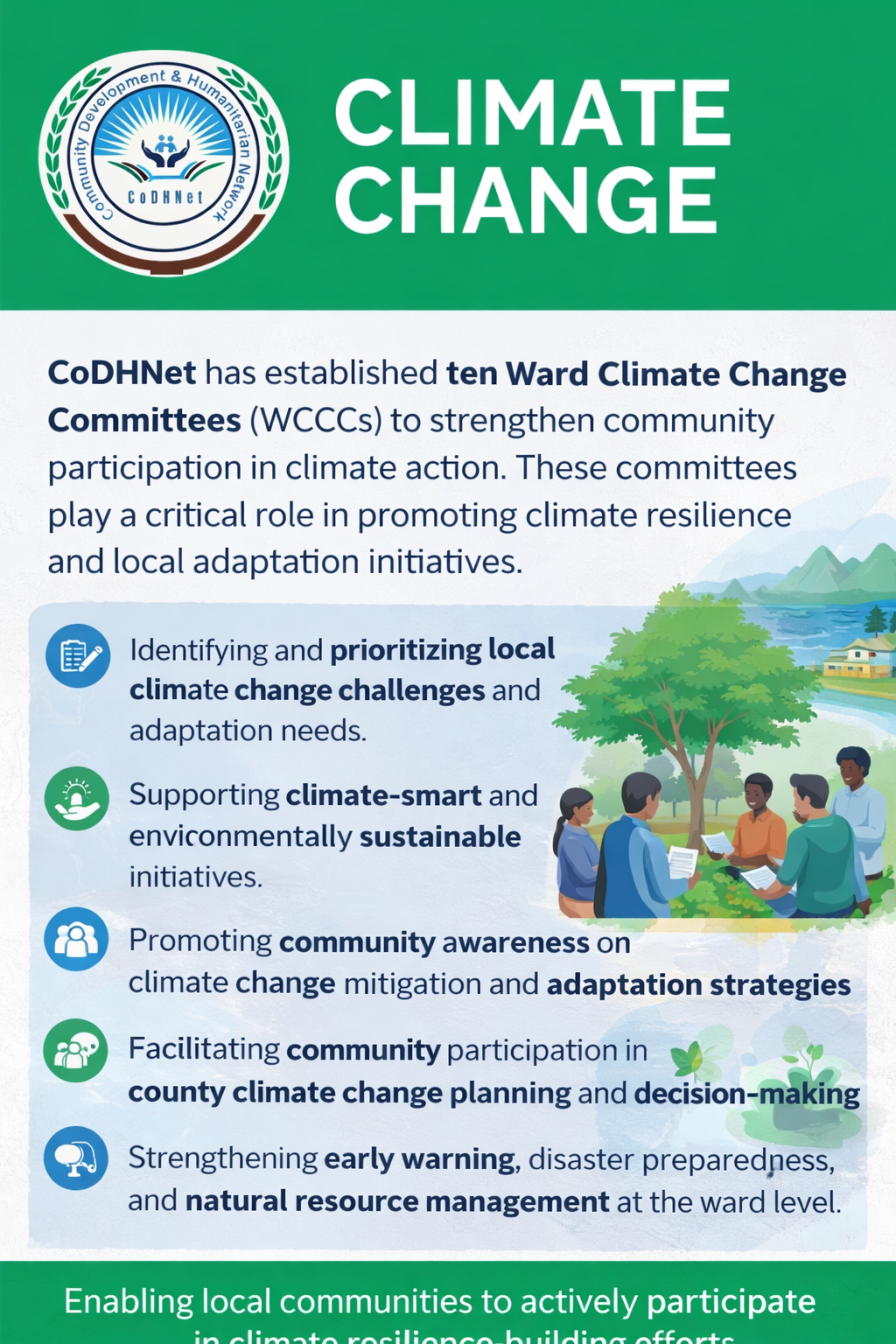
Ward Climate Change Committees (WCCCs)
CoDHNet has supported the establishment of ten Ward Climate Change Committees to strengthen community participation in climate action and local decision-making.
Climate Resilience & Adaptation
Promoting climate-smart agriculture, water conservation, and sustainable natural resource management.
Disaster Preparedness & Early Warning
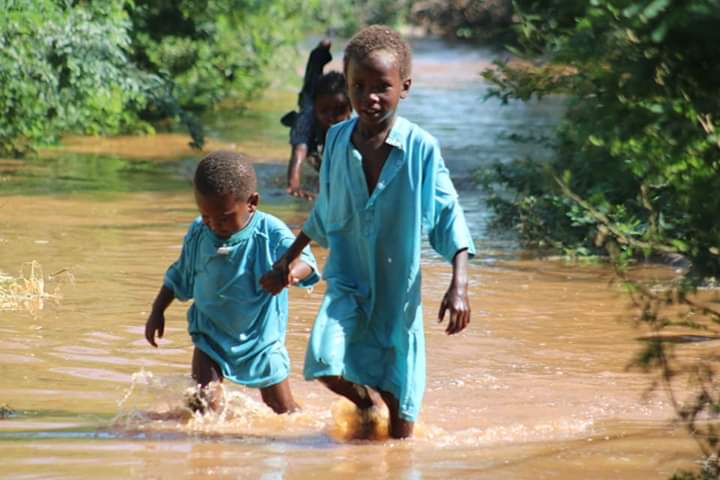
Strengthening community-based early warning systems and disaster preparedness mechanisms to reduce risks from droughts, floods, and other hazards.
Environmental Protection
Supporting tree planting, ecosystem restoration, and community awareness on environmental conservation.
Community Participation
Empowering communities, youth, and women to actively participate in climate governance and resilience-building initiatives.
Our Impact
Strengthened local climate governance
Increased community awareness on climate change
Improved disaster preparedness and response capacity
Promoted sustainable environmental management
“Building resilient communities for a safer and sustainable future.”
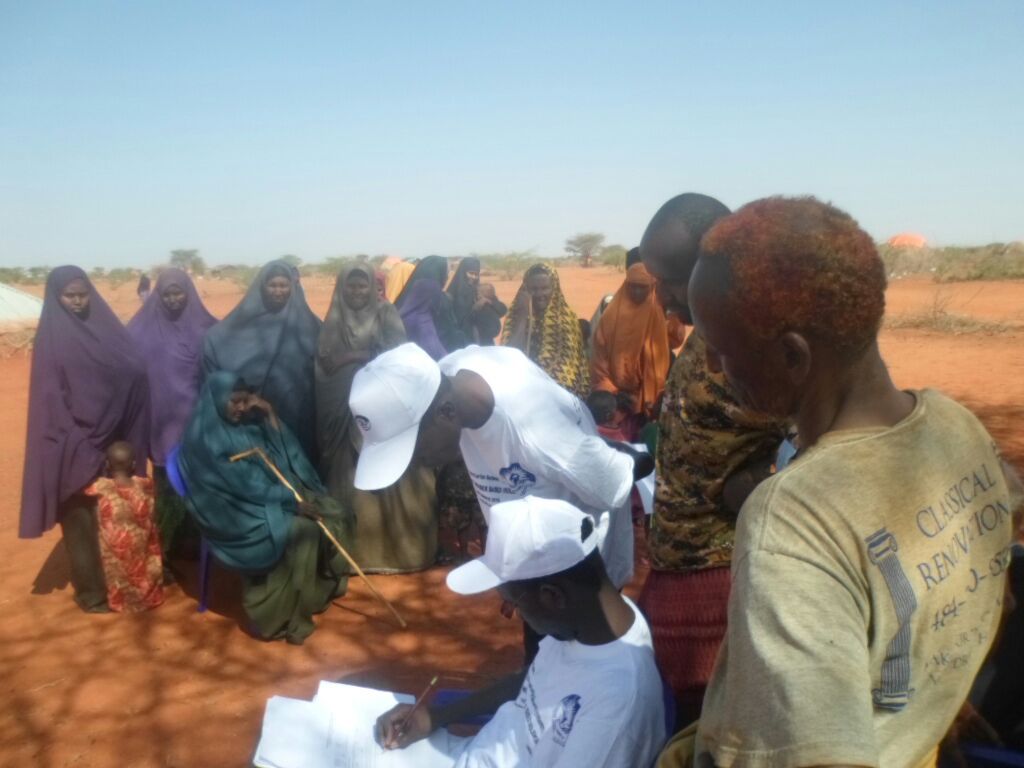
- Achievements
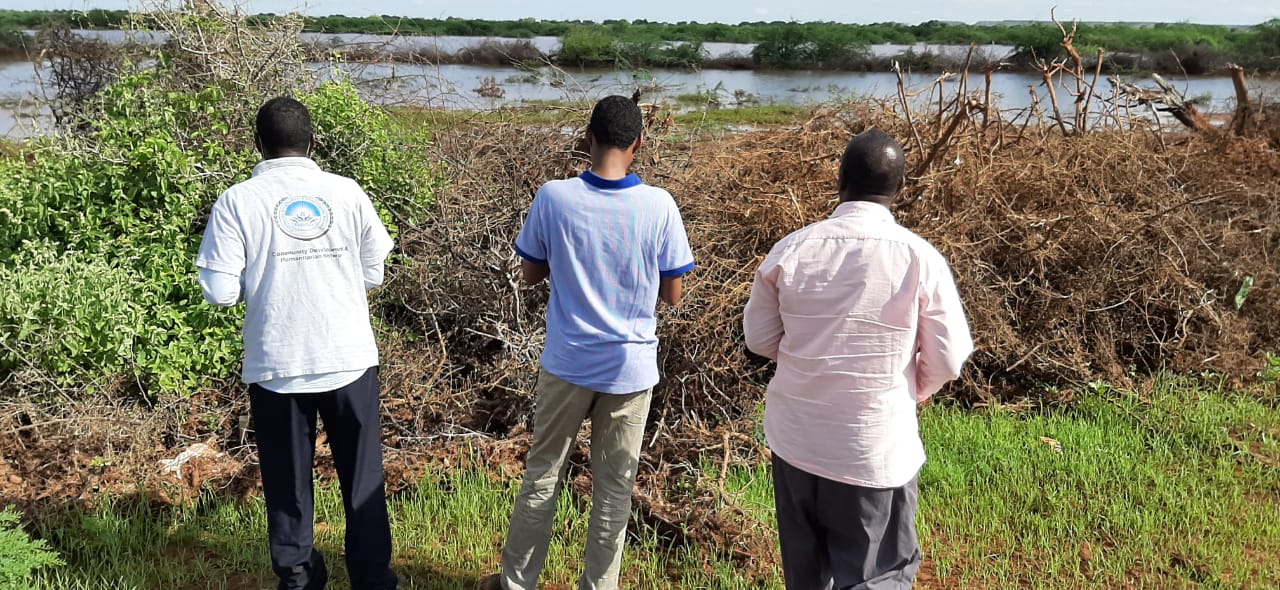
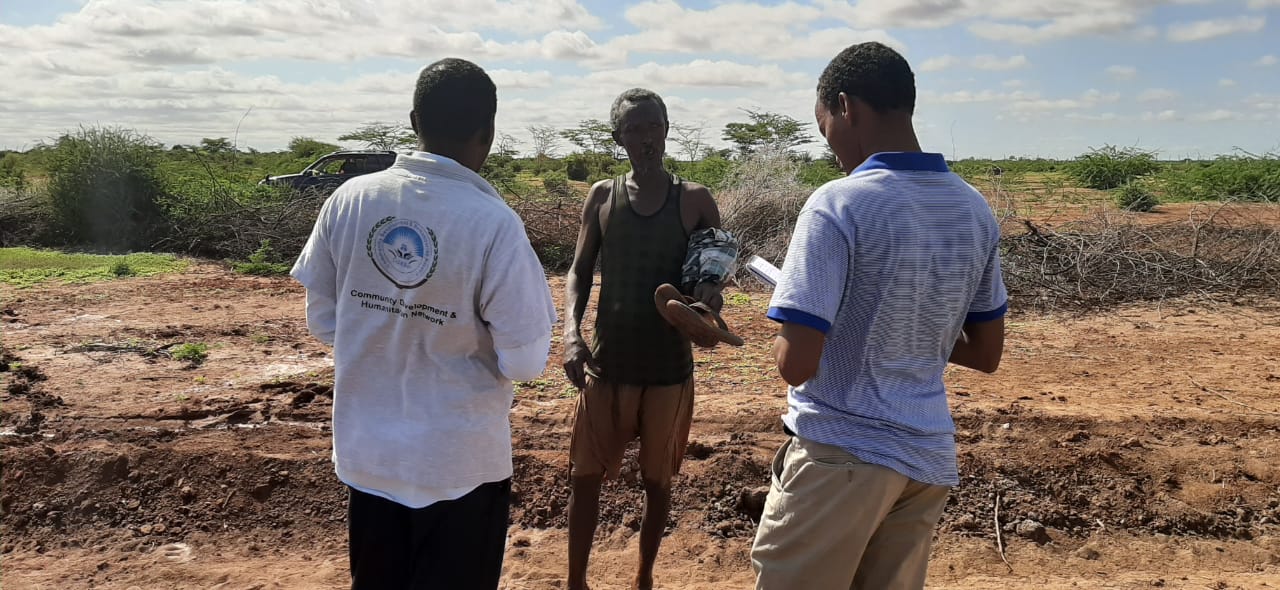
- Conducted Disaster Preparedness Training for over 100 community members across seven villages in Gedo.
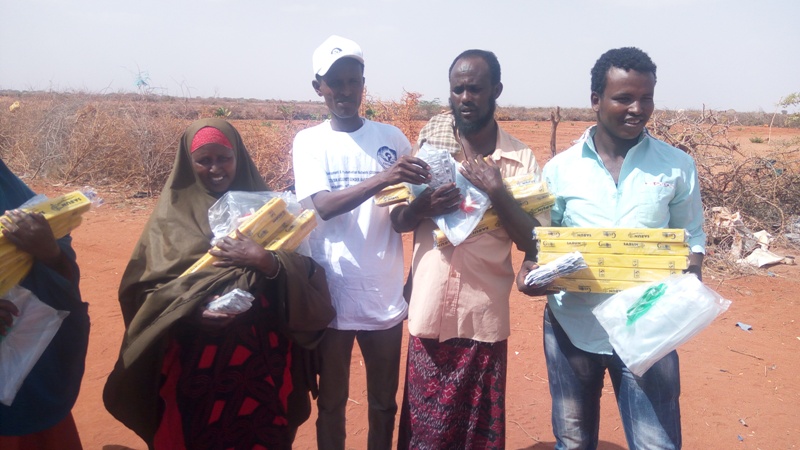
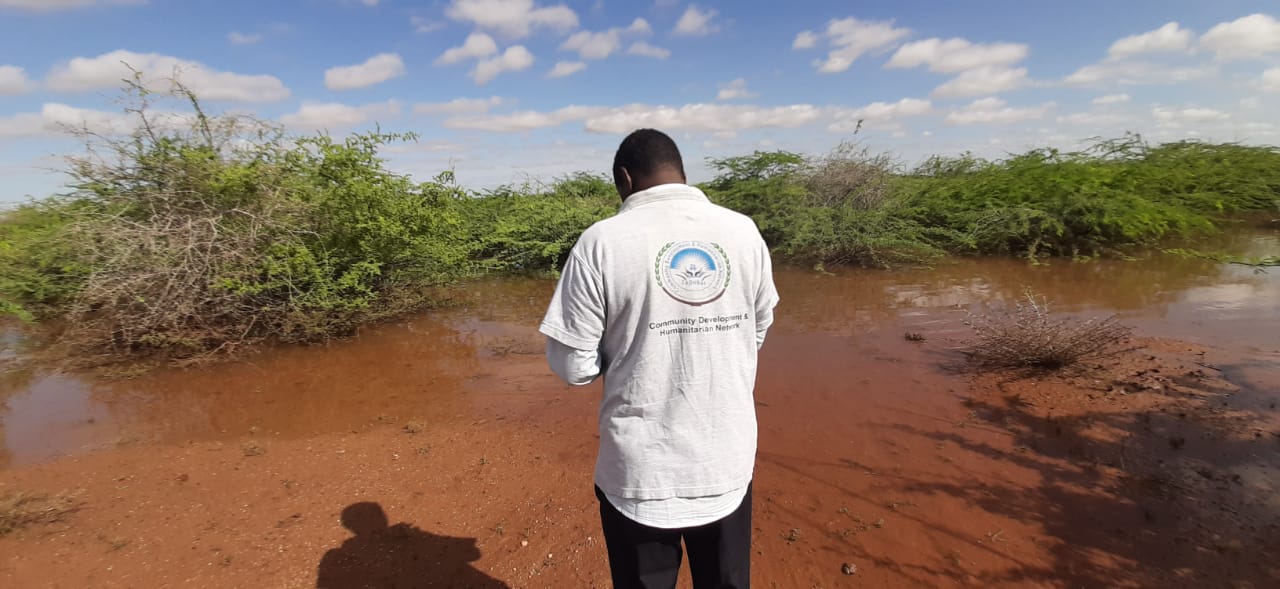
- Distributed 1,000 mosquito nets and conducted insecticide spraying for flood-affected households in Beletxawa.
- Delivered emergency food and water assistance to over 10,000 beneficiaries during the drought crisis.
- Supported cash-for-work programs to rebuild community infrastructure after disasters.
- Goal
Enhance Disaster Risk Reduction and Climate Change Adaptation
CoDHNet is committed to building resilient communities capable of withstanding the impacts of disasters and climate change. Our goal is to reduce vulnerabilities, promote sustainable practices, and mitigate the risks associated with natural disasters and climate change.
- Key Focus Areas
- Drought and Floods
- Promote Drought Reduction and Flood Control Measures
- Introduce community-based initiatives such as water harvesting, improved drainage systems, and soil conservation techniques to mitigate the effects of droughts and floods.
- Conduct reforestation and tree-planting campaigns to reduce soil erosion and control water flow during floods.
- Establish early warning systems and train communities on preparedness and rapid response to drought and flood emergencies.
- Disaster Displacement
- Avert, Minimize, and Address Displacement Caused by Climate Change
- Develop and implement proactive plans to protect communities at risk of climate-induced displacement.
- Advocate for policies that safeguard displaced populations’ rights and integrate climate resilience into local governance.
- Provide livelihood support and temporary shelter to displaced families in disaster-affected areas.
- Strengthening Resilience
- Equip vulnerable households with climate-smart agricultural techniques to ensure food security in the face of climate challenges.
- Support cash-for-work programs that rebuild vital community infrastructure and reduce disaster risks.
- Partner with local authorities to integrate disaster preparedness into development plans.
- Community Capacity Building
- Conduct Disaster Risk Reduction Training for local communities to enhance knowledge of risk mitigation and emergency response.
- Engage women, youth, and marginalized groups in climate resilience programs to promote inclusive solutions.
- Environmental Protection and Climate Change Adaptation
- Promote environmental restoration projects, including reforestation and sustainable land management.
- Support renewable energy solutions in communities to reduce reliance on environmentally harmful energy sources.
- Increase awareness of climate change impacts and adaptation strategies through advocacy campaigns and public education.
- Key Focus Areas
Our Approach
- Preparedness and Capacity Building
- We work closely with communities to strengthen their preparedness for disasters. This includes training in Disaster Risk Reduction (DRR) strategies, early warning systems, and community-level contingency planning.
- Collaborations with local governments and community leaders to establish disaster response protocols.
- Emergency Response
- Rapid mobilization of resources during emergencies to provide life-saving assistance, such as food, shelter, and medical care.
- Coordination with national and international partners to respond effectively to crises.
- Recovery and Resilience Building
- Support for post-disaster recovery, including rehabilitation of infrastructure and livelihoods.
- Long-term initiatives to build community resilience, such as climate adaptation programs and disaster risk reduction education.
- Preparedness and Capacity Building
- Program Highlights and Achievements
- Flood Preparedness: Distributed 1,000 treated mosquito nets and sprayed insecticides in 300 flood-affected households in Beletxawa.
- Climate-Smart Agriculture: Trained 150 farmers on drought-resistant farming techniques and multi-story gardening.
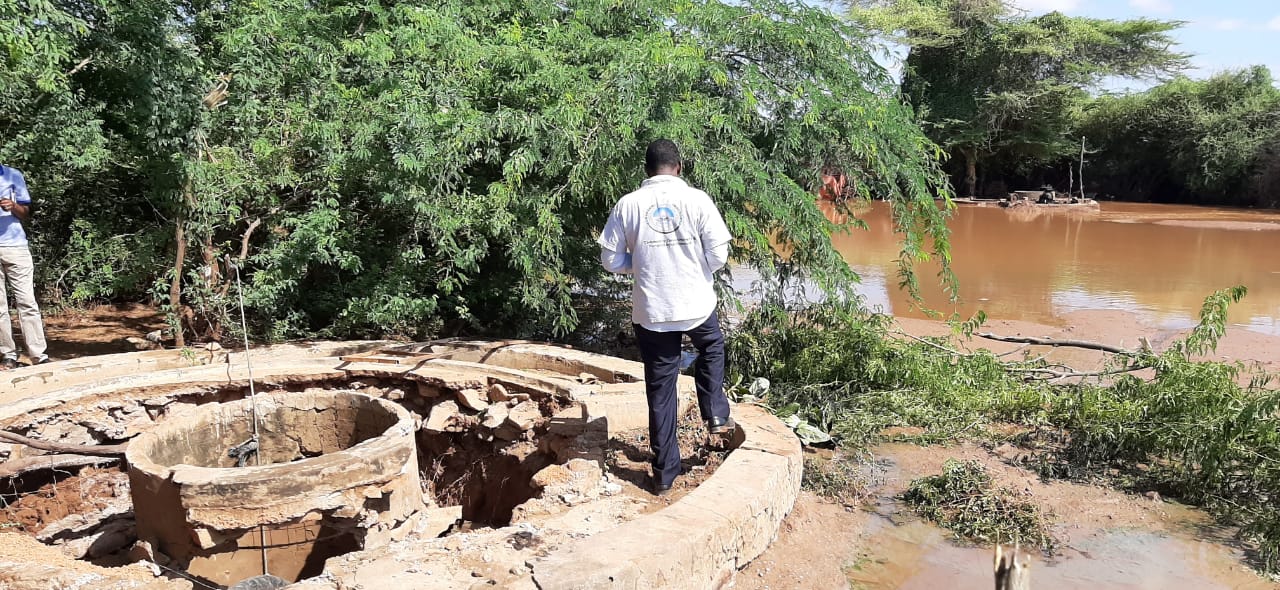
- Disaster Recovery: Rehabilitated critical infrastructure in flood-affected communities through cash-for-work programs, benefiting over 500 households.
- Tree Planting Campaigns: Planted 1,000 fruit and indigenous trees in vulnerable areas to combat soil erosion and reduce disaster risks.
Key Activities
- Training on Disaster Preparedness and Response:
Workshops for community members on emergency planning and risk mitigation strategies. - Provision of Emergency Supplies:
Distribution of food, shelter materials, and medical kits to disaster-affected households. - Flood and Drought Response:
Prepositioning resources such as water tanks, mosquito nets, and hygiene kits to mitigate the impact of floods and droughts. - Strengthening Early Warning Systems:
Establishing community-based monitoring networks to improve disaster prediction and response. - Integration of Climate-Smart Practices:
Promoting sustainable agricultural techniques to address climate change impacts and reduce vulnerability.
Future Plans
- Expand the climate change adaptation program to additional regions in Somalia and Kenya.
- Expand DRR training to reach an additional 150 community members in vulnerable regions.
- Increase collaboration with local governments and international partners to improve disaster response systems.
- Distribute 2,000 fruit trees to enhance environmental protection and reduce the risk of climate-induced disasters.
- Partner with local and international organizations to increase funding for disaster risk reduction projects.
- Introduce eco-friendly flood barriers and expand water resource management projects in drought-prone areas.
Get Involved
Join us in enhancing disaster resilience and climate adaptation:
You can help us strengthen disaster response and resilience in vulnerable communities:
- Partner with Us: Collaborate on projects addressing displacement, droughts, and floods to enhance disaster response and risk reduction programs.
- Volunteer: Join our field teams to provide on-the-ground assistance. Be part of training and implementation teams in vulnerable communities.
- Donate: Support our emergency response efforts, Support initiatives that safeguard communities against disasters and climate change.