Research & Advocacy

Our Research & Advocacy Approach

At Community Development and Humanitarian Network (CoDHNet), our research and advocacy approach is grounded in community participation, evidence-based learning, and strategic engagement with decision-makers. We believe that sustainable change occurs when communities, civil society, and policymakers work together to address the root causes of vulnerability and inequality.

Our approach is guided by the following principles:

1. Community-Centered Research

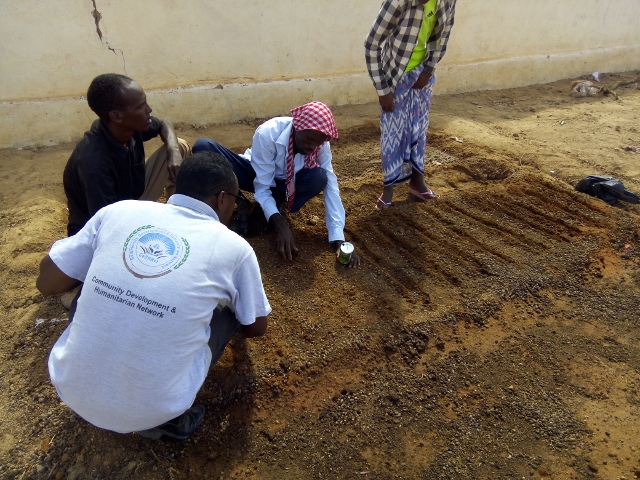
CoDHNet places communities at the heart of our research. We conduct participatory assessments, surveys, and consultations that capture the experiences, priorities, and solutions proposed by community members themselves. This ensures that our research reflects real needs and lived realities.

2. Evidence-Based Programming

We use credible data, research findings, and lessons learned from field programs to inform development and humanitarian interventions. This helps ensure that policies and programs are responsive, effective, and sustainable.

3. Policy Engagement

CoDHNet engages with government institutions, policymakers, and stakeholders to influence policies that promote human rights, social justice, and inclusive development. Through policy dialogues, technical consultations, and advocacy campaigns, we work to ensure that community voices inform decision-making processes.

4. Strategic Partnerships

We collaborate with civil society organizations, research institutions, development partners, and international agencies to strengthen collective advocacy and amplify impact. Partnerships enable CoDHNet to contribute to regional and global discussions on development, peacebuilding, and humanitarian action.

5. Knowledge Sharing and Learning

CoDHNet promotes continuous learning through the documentation and dissemination of research findings, policy briefs, and best practices. By sharing knowledge and experiences, we contribute to improved programming and stronger development outcomes across communities.

Through this integrated approach, CoDHNet aims to ensure that research not only generates knowledge but also drives meaningful change in policies, programs, and community lives.

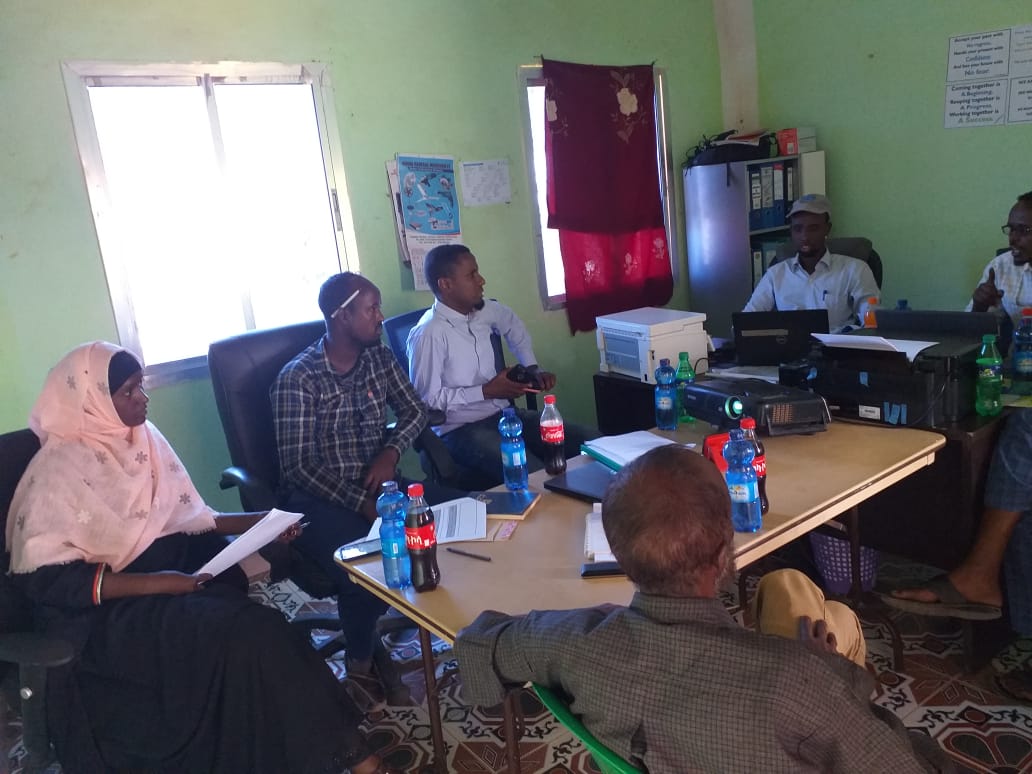
At Community Development and Humanitarian Network (CoDHNet), research and advocacy are central to our mission of advancing inclusive, evidence-based development. Our research initiatives generate reliable data and community insights that inform policies, programs, and decision-making processes affecting vulnerable populations..

Through strategic advocacy, CoDHNet works with government institutions, civil society organizations, community leaders, and international partners to promote policies and practices that protect human rights, strengthen social inclusion, and improve service delivery.

At CoDHNet, we believe that effective advocacy and evidence-based research are critical tools for driving sustainable change and addressing the root causes of vulnerabilities. Through our Advocacy and Research Program, we amplify the voices of marginalized communities, influence policy development, and provide actionable insights to stakeholders in Somalia, Kenya, and beyond.

Our research and advocacy efforts focus on key thematic areas including:

  • Disability Inclusion and Rights
  • Gender Equality and Protection
  • Peacebuilding and Social Cohesion
  • Climate Change and Disaster Risk Reduction
  • Health and Community Well-being
  • Youth and Community Empowerment

By amplifying the voices of marginalized communities and engaging policymakers at local, national, and regional levels, CoDHNet contributes to sustainable solutions that address root causes of vulnerability and inequality.

To Promote Informed Decision-Making, Policy Change, and Community Empowerment through Advocacy and Evidence-Based Research.

  1. Policy Advocacy
  • Advocate for inclusive policies that address the needs of vulnerable populations, including women, children, displaced persons, and marginalized groups.
  • Collaborate with government agencies, regional bodies, and development partners to influence humanitarian and development policies.
  • Promote the integration of climate change resilience, disaster preparedness, and gender equality into local and national development plans.
  1. Evidence-Based Research
  • Conduct assessments and studies to identify emerging challenges in key sectors such as health, education, WASH, and livelihoods.
  • Develop research reports, policy briefs, and position papers to inform programming and stakeholder interventions.
  • Engage local researchers and academic institutions to foster community-driven research initiatives.
  1. Community Empowerment
  • Facilitate community dialogues and town hall meetings to ensure the inclusion of local voices in decision-making processes.
  • Train community leaders and youth groups in advocacy skills to enable them to champion their rights and priorities.
  • Promote civic education to enhance awareness of entitlements and services among vulnerable populations.
  1. Partnerships and Networking
  • Strengthen partnerships with national and international organizations to amplify advocacy efforts.
  • Participate in global forums, including Tadamon, CoreGroupDC, and the Global Nutrition Cluster, to share best practices and gain support for local initiatives.
  • Policy Influence: Advocated for the inclusion of climate-smart agriculture in Somalia’s National Adaptation Plan, benefiting over 20,000 smallholder farmers.
  • Research Studies: Conducted a landmark study on the impact of drought on women and children in Jubbaland, which informed targeted humanitarian interventions.
  • Community Advocacy: Trained 50 youth leaders in Doolow on human rights and civic engagement, empowering them to influence local governance.
  1. Humanitarian Advocacy:
    • Advocate for increased funding to address water scarcity, food insecurity, and displacement in Somalia and Kenya.
    • Raise awareness on the importance of inclusive education, particularly for children with disabilities.
  2. Climate Resilience Research:
    • Investigate the long-term impacts of climate change on livelihoods in arid and semi-arid regions.
    • Publish policy briefs to guide disaster risk reduction and resilience-building efforts.
  3. Social Accountability:
    • Support communities in monitoring the implementation of government and donor-funded projects to ensure accountability and transparency.
    • Facilitate public forums to discuss service delivery challenges and solutions.
  1. Humanitarian Advocacy:
    • Advocate for increased funding to address water scarcity, food insecurity, and displacement in Somalia and Kenya.
    • Raise awareness on the importance of inclusive education, particularly for children with disabilities.
  2. Climate Resilience Research:
    • Investigate the long-term impacts of climate change on livelihoods in arid and semi-arid regions.
    • Publish policy briefs to guide disaster risk reduction and resilience-building efforts.
  3. Social Accountability:
    • Support communities in monitoring the implementation of government and donor-funded projects to ensure accountability and transparency.
    • Facilitate public forums to discuss service delivery challenges and solutions.
  • Advocating for Water Rights in Gedo:
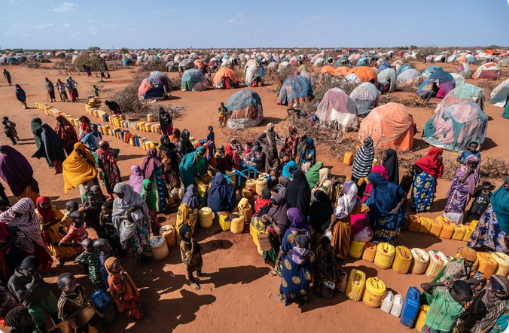
    CoDHNet supported community leaders in lobbying for the construction of a borehole in a drought-affected village, providing clean water to over 5,000 residents.
  • Research on IDP Livelihoods:
    A study conducted in Doolow highlighted the challenges faced by displaced families, leading to the establishment of livelihood recovery programs for 150 households.
  • Partner with Us: Collaborate on advocacy campaigns and research projects to amplify impact.
  • Volunteer: Contribute your expertise to research or community mobilization efforts.
  • Donate: Support initiatives that promote evidence-based solutions and inclusive policies.

Keeping You Informed

Latest News & Blogs