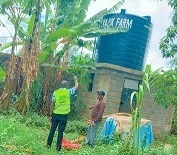
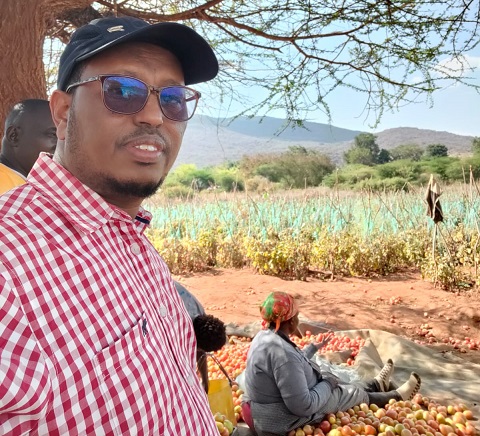
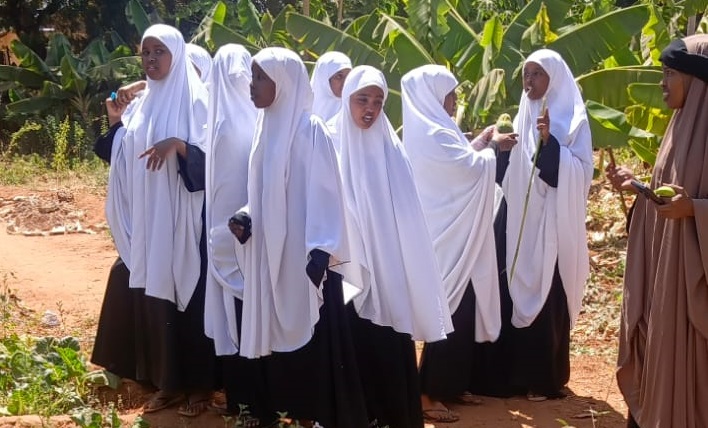
Food security and sustainable agriculture are essential for building resilient communities, particularly in drought-prone and conflict-affected regions. CoDHNet works with vulnerable households, pastoralists, and smallholder farmers to improve food production, protect livelihoods, and strengthen local food systems.
Our interventions focus on enhancing agricultural productivity, supporting climate-resilient farming practices, and improving access to food and nutrition for communities facing chronic food insecurity.
Key Intervention Areas
1. Climate-Smart Agriculture
CoDHNet promotes climate-resilient farming practices that help communities adapt to changing environmental conditions. These include drought-tolerant crops, soil conservation techniques, and water-efficient irrigation systems.
2. Smallholder Farmer Support
We provide farmers with agricultural inputs such as improved seeds, farming tools, and technical training to increase crop productivity and ensure sustainable farming practices.
3. Livestock and Pastoralist Support
Recognizing the importance of livestock in pastoral communities, CoDHNet supports animal health services, fodder production, and improved livestock management to strengthen pastoral livelihoods.
4. Food Assistance and Emergency Response
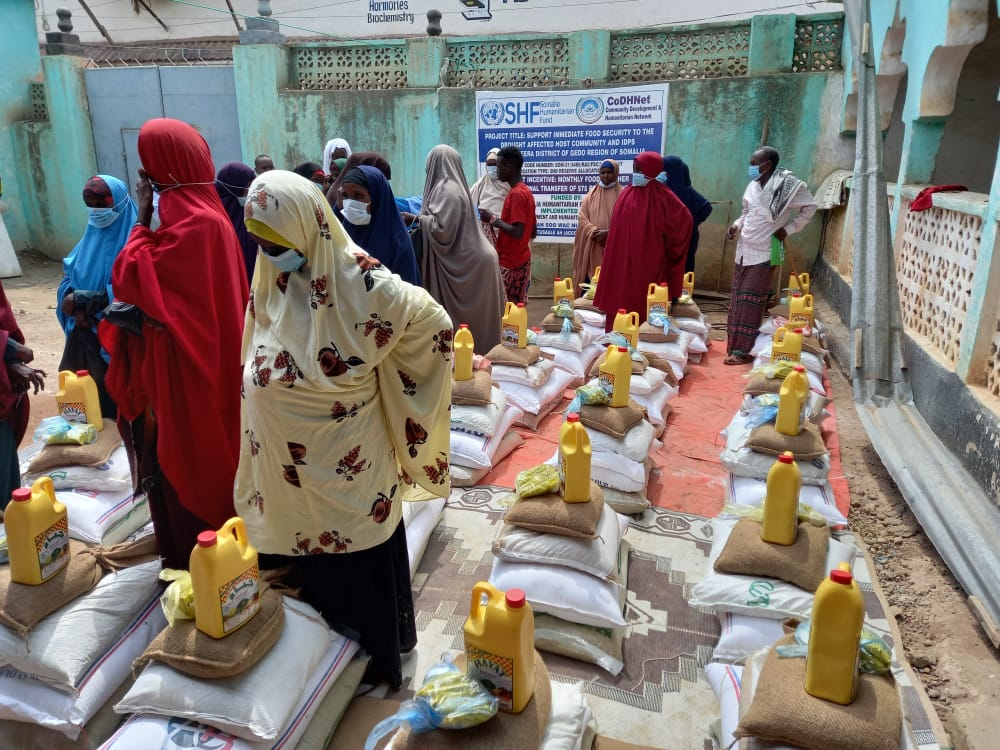
In times of crisis such as droughts, displacement, or conflict, CoDHNet delivers emergency food assistance and cash-based support to help vulnerable families meet their basic food needs.
5. Nutrition-Sensitive Agriculture
Our programs integrate nutrition awareness with agriculture to encourage the production and consumption of diverse and nutritious foods, particularly for women and children.
6. Value Chain Development and Market Access
CoDHNet strengthens agricultural value chains by linking farmers to markets, improving storage facilities, and supporting small agribusiness initiatives that increase household income.
Our Impact
Through these initiatives, CoDHNet aims to:
-
Reduce hunger and food insecurity
-
Improve household income and resilience
-
Strengthen sustainable agricultural practices
-
Support pastoral and farming communities
-
Enhance community capacity to withstand climate shocks
By empowering communities with the knowledge, tools, and resources needed for sustainable agriculture, CoDHNet contributes to long-term food security and economic stability in the regions where we operate.
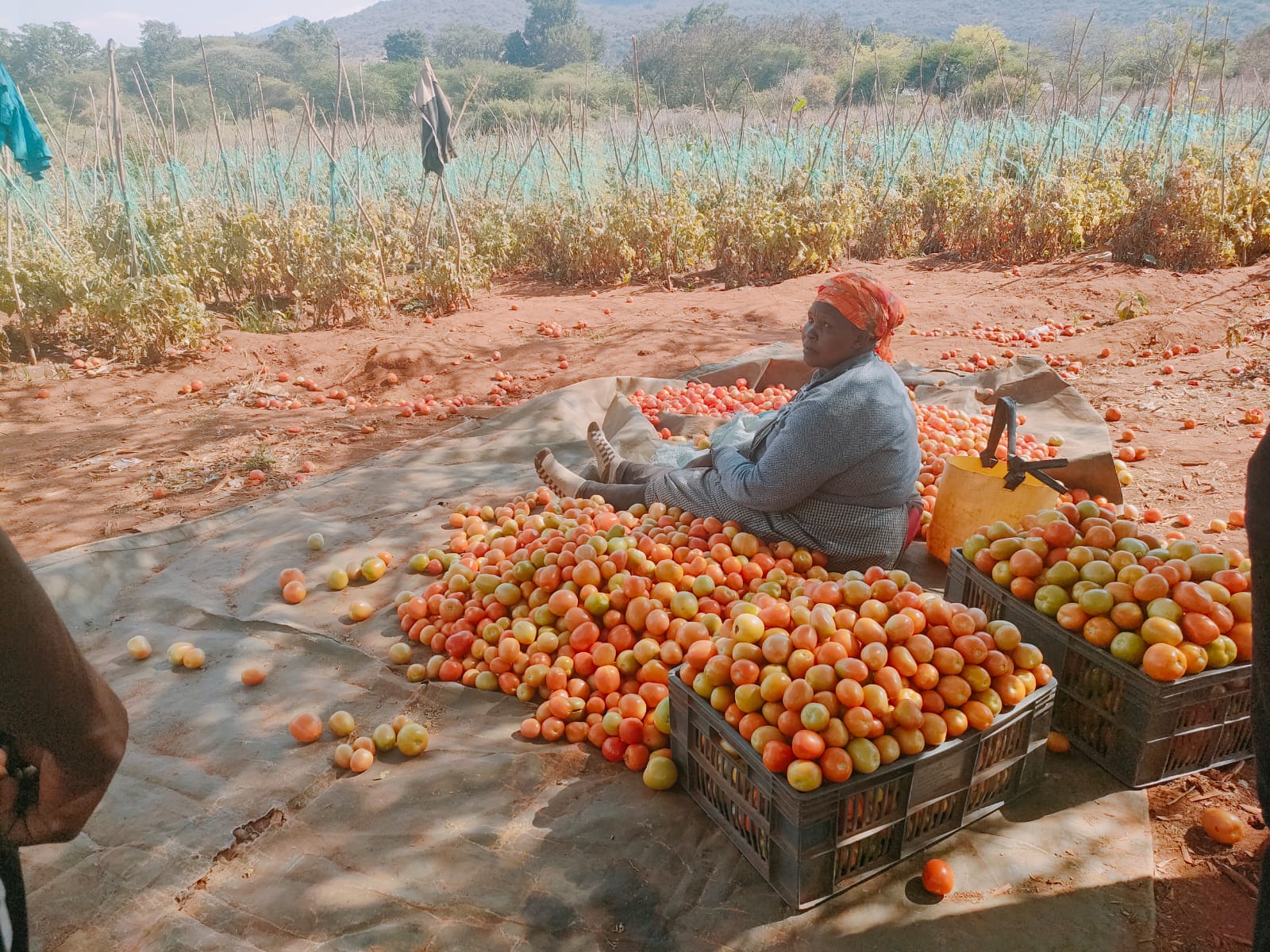
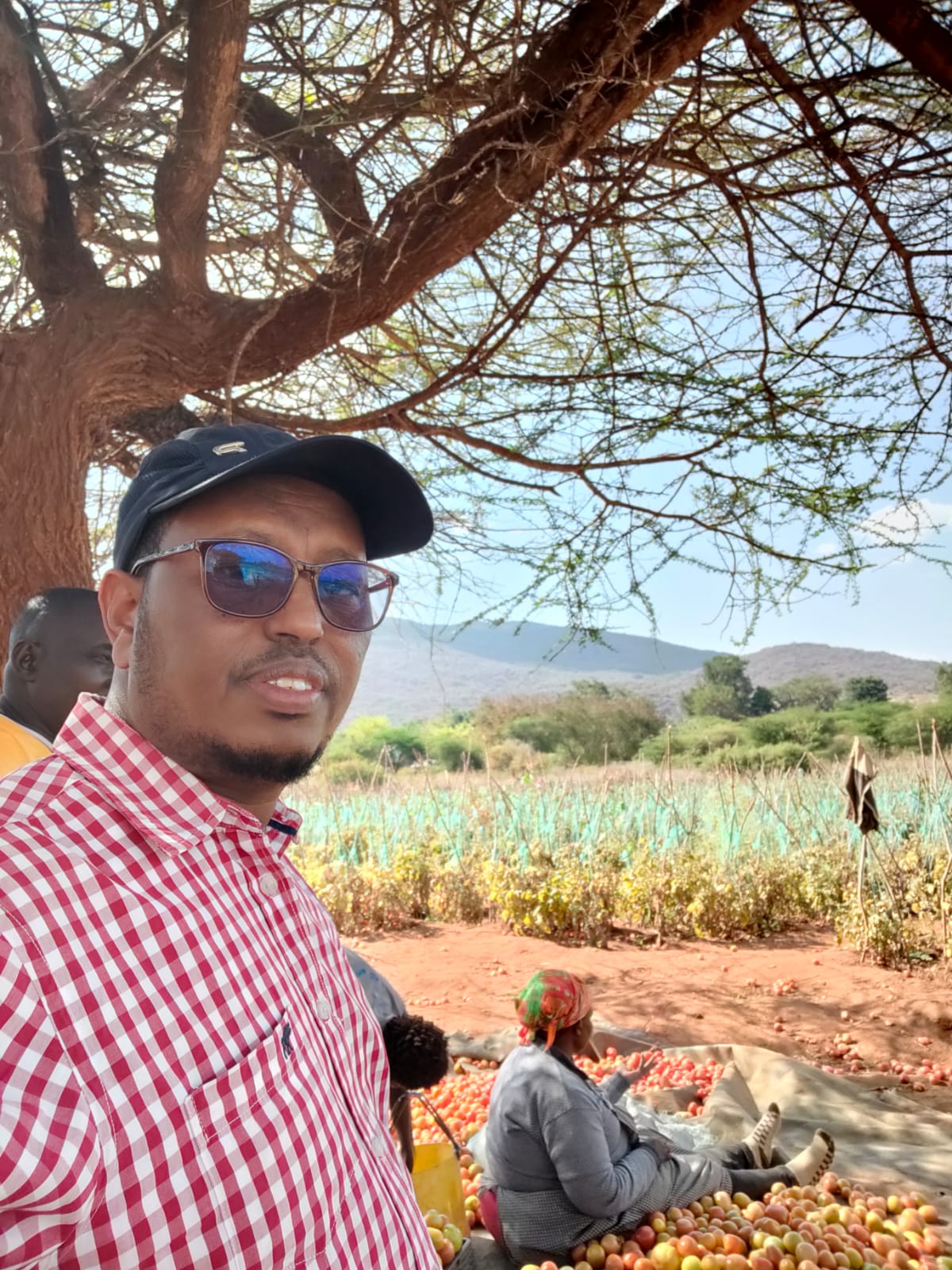
CoDHNet implements income generating activities that act as both short term and long term programmes. This is through construction and rehabilitation of infrastructures in the community. The community members usually contribute to the work by providing labour which earns them income. These infrastructures which include canals for irrigation and water catchments and roads contribute a lot to the improvement of livelihoods in the communities. These programmes closely involve communities through the establishment of community committees who are involved in the maintenance of the infrastructures.

Emergencies