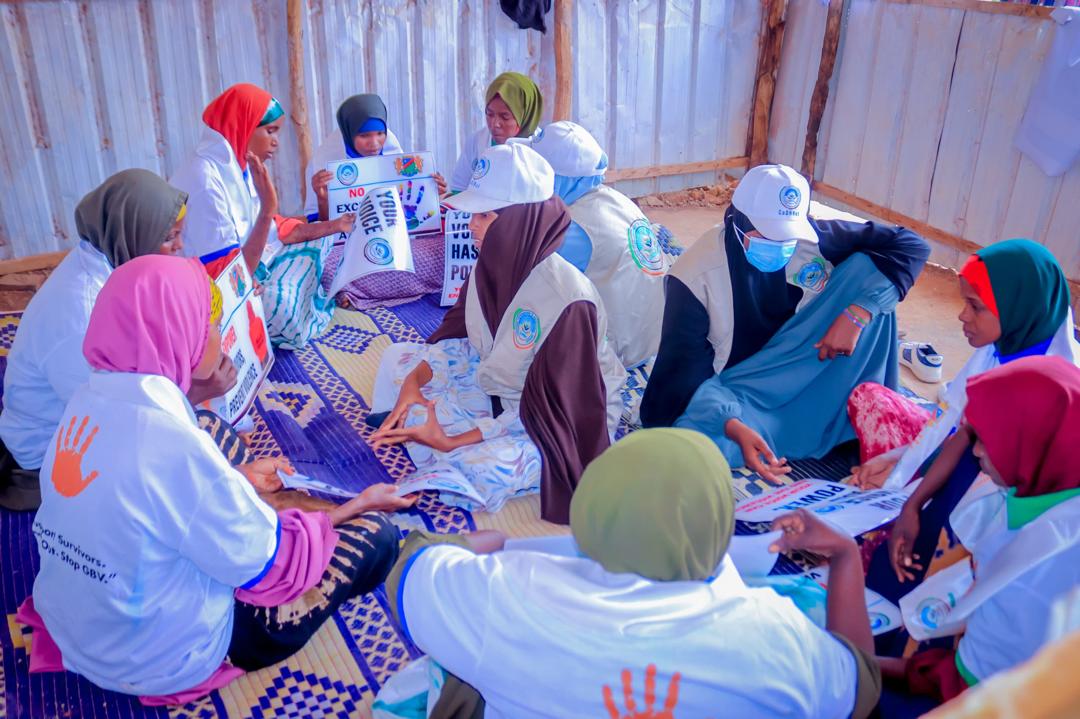
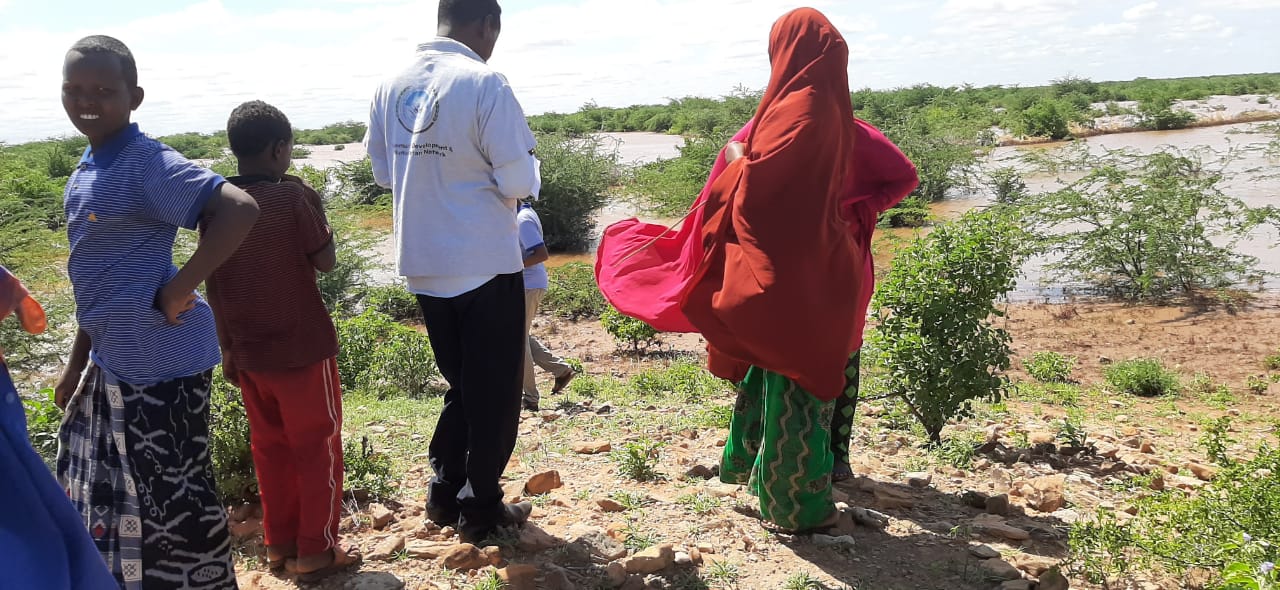
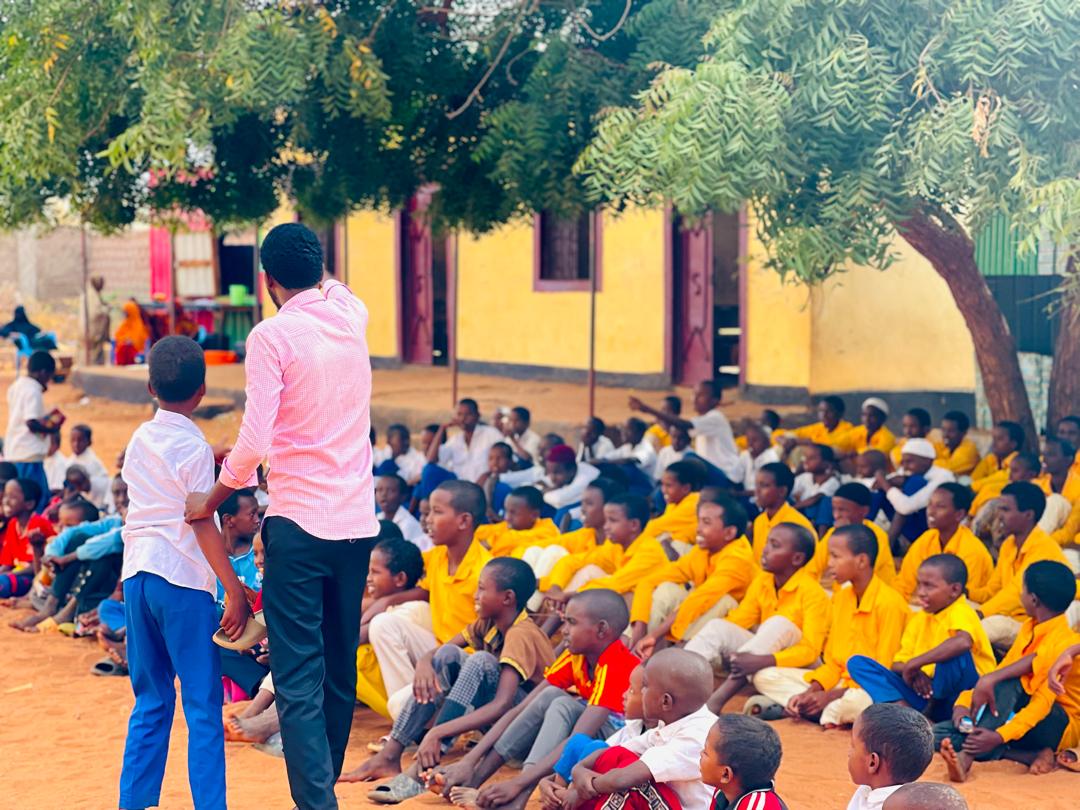
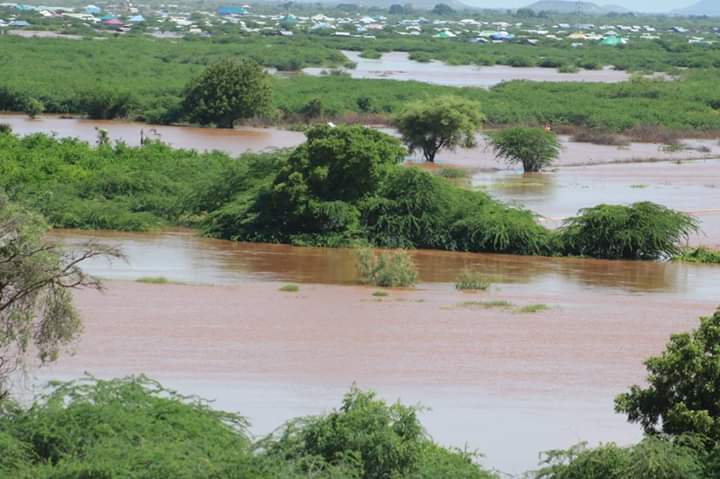
The Environmental Protection & Climate Change Program of CoDHNet focuses on strengthening community resilience to environmental degradation and climate-related risks. Communities in Somalia and Kenya increasingly face droughts, floods, land degradation, and water scarcity due to climate change. CoDHNet works with local communities, government institutions, and development partners to promote sustainable environmental management and climate adaptation strategies that protect livelihoods and natural resources.
This program integrates environmental sustainability across CoDHNet’s humanitarian and development interventions, ensuring that communities are better prepared to cope with climate shocks while safeguarding ecosystems for future generations.
Program Objectives
-
Strengthen community resilience to climate-related disasters such as drought and floods.
-
Promote sustainable natural resource management and environmental conservation.
-
Support climate-smart agriculture and livelihood diversification.
-
Enhance community awareness and capacity on climate change adaptation and mitigation.
-
Contribute to disaster risk reduction through environmentally sustainable practices.
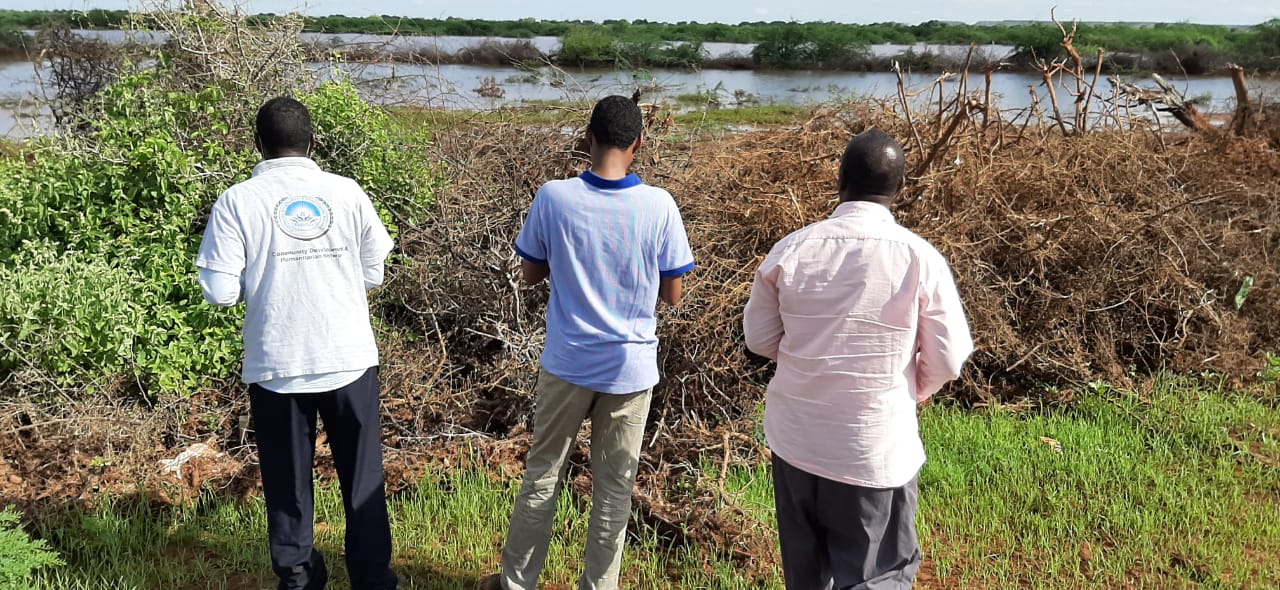
CoDHNet’s Environment Project has been working with government institutions, district authorities and local communities to ensure that Somali men and women have the resources and support needed to deal with the environmental and economic impact of climate change.
Key Intervention Areas
1. Climate Change Adaptation
CoDHNet supports vulnerable communities to adapt to climate change through practical and locally appropriate solutions.
Key activities include:
-
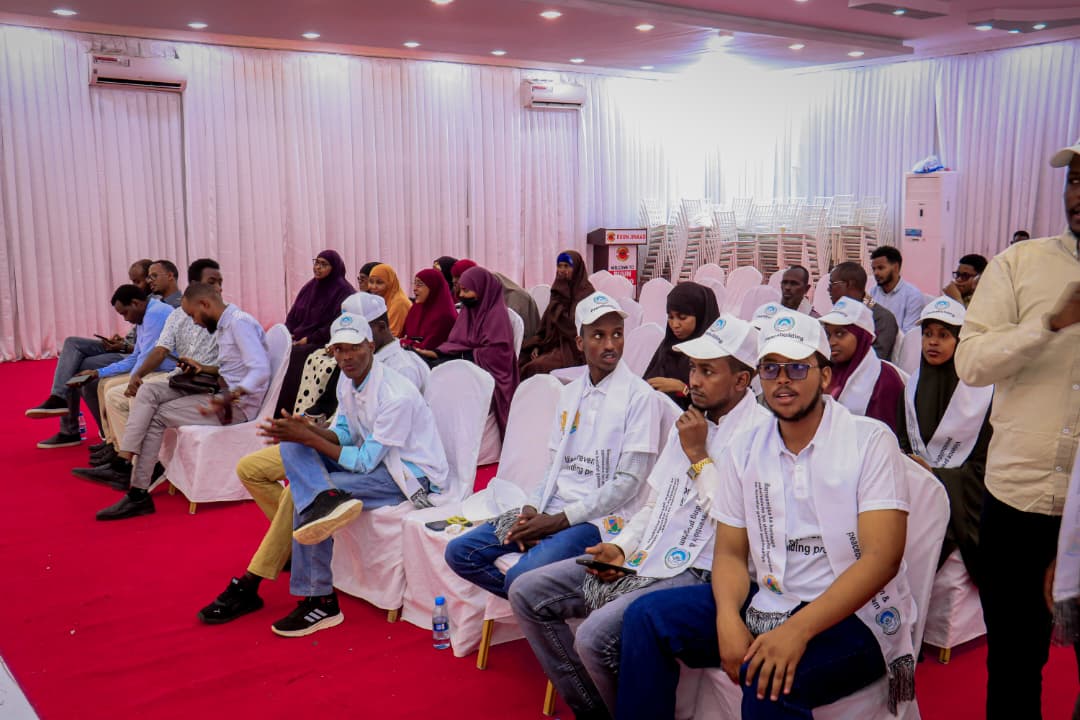
Community climate awareness campaigns
-
Climate risk assessments and adaptation planning
-
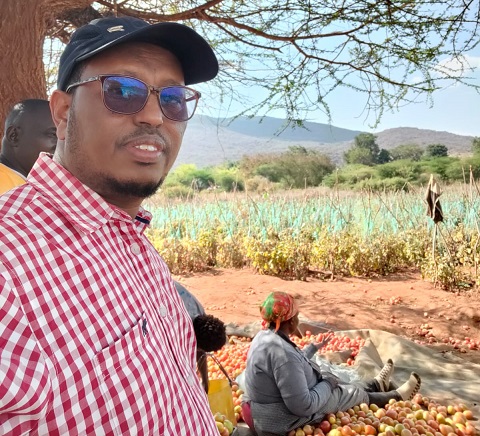
Promotion of drought-resistant crops and climate-smart farming
-
Training communities on climate resilience strategies
2. Environmental Conservation
Protecting natural resources is essential for sustaining livelihoods and ecosystem health.
Key activities include:
-
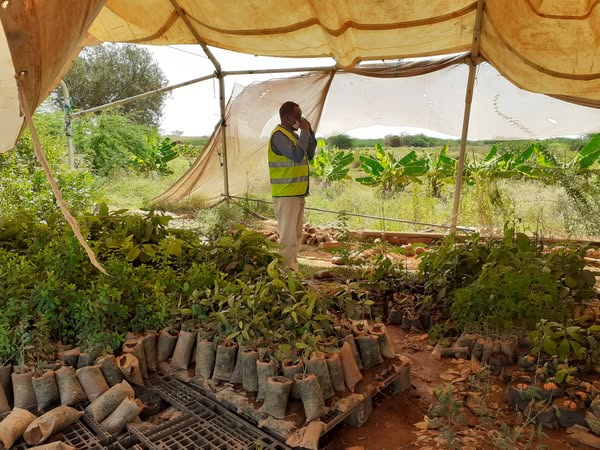
Tree planting and reforestation programs
-
Community-led land restoration initiatives
-
Soil and water conservation practices
-
Protection of forests, rangelands, and biodiversity
3. Climate-Smart Agriculture & Livelihoods
Agriculture and livestock are key sources of livelihood in many communities affected by climate change.
Key activities include:
-
Training farmers on climate-smart agriculture practices
-
Water harvesting and irrigation techniques
-
Promotion of drought-tolerant crops
-
Sustainable livestock management
4. Disaster Risk Reduction (DRR)
Environmental protection is closely linked with reducing disaster risks.
Key activities include:
-
Community early warning systems
-
Flood mitigation and watershed management
-
Drought preparedness planning
-
Strengthening community disaster management committees
5. Sustainable Energy Solutions
CoDHNet promotes environmentally friendly energy solutions to reduce environmental degradation.
Key activities include:
-
Promotion of energy-efficient cookstoves
-
Community awareness on renewable energy
-
Support for solar energy solutions in rural communities