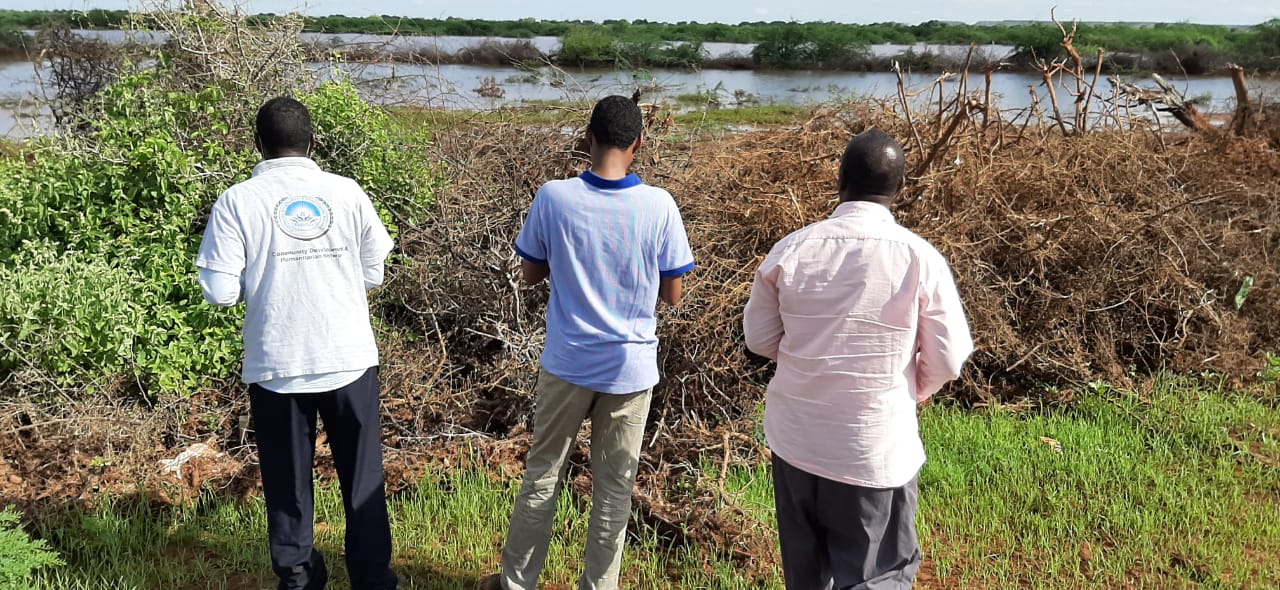
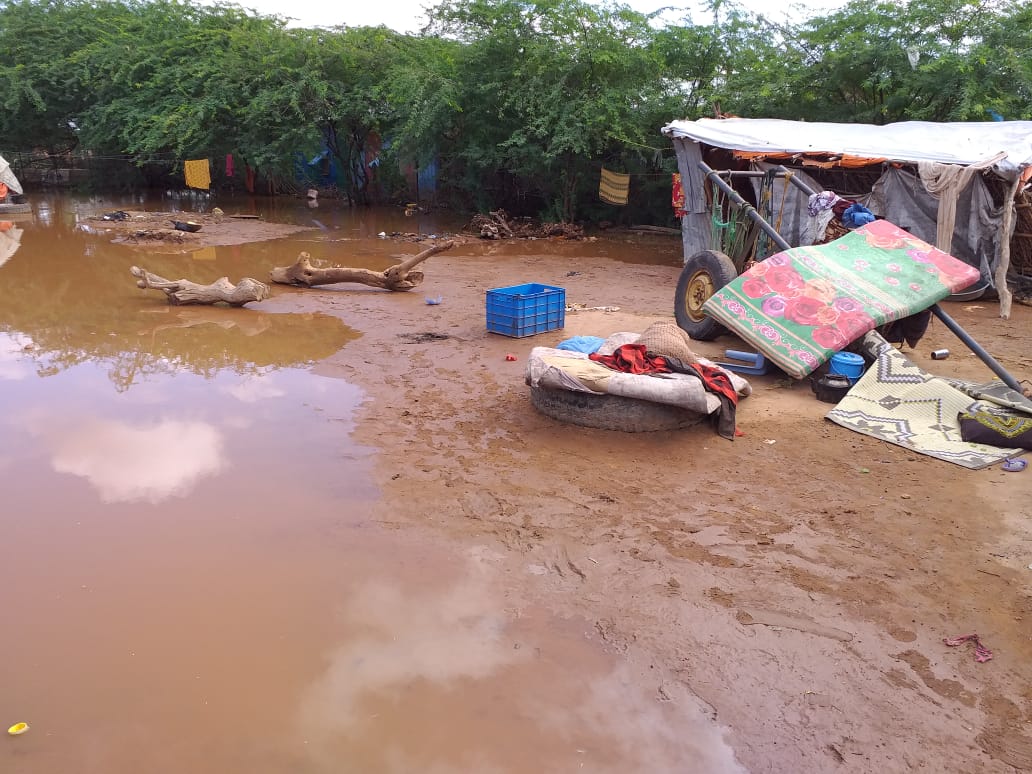
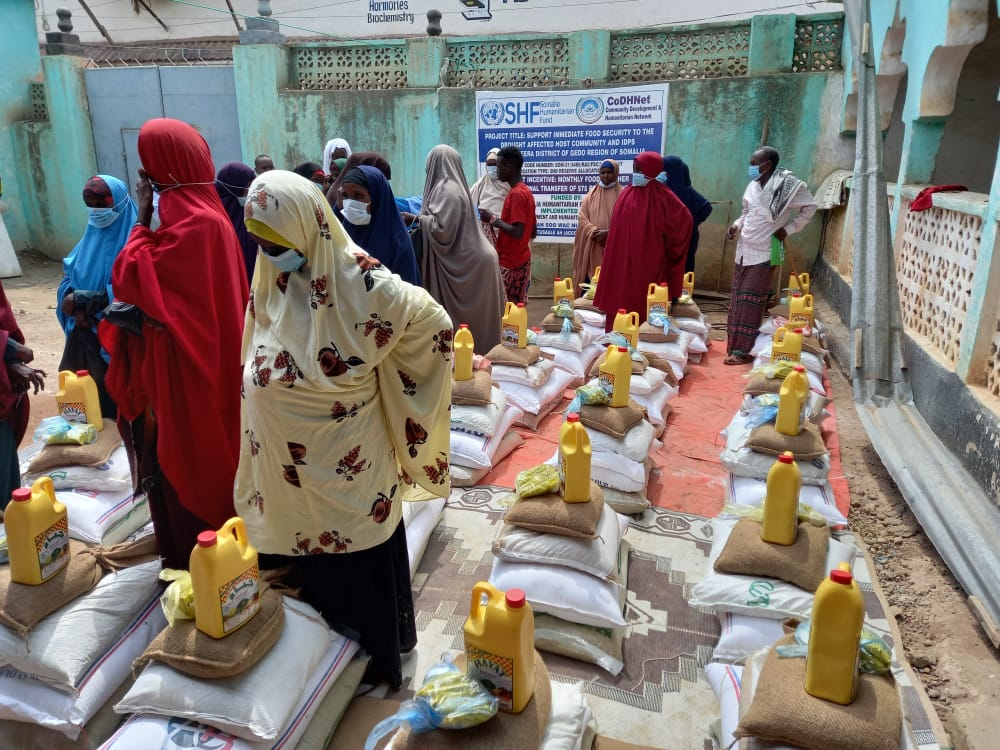
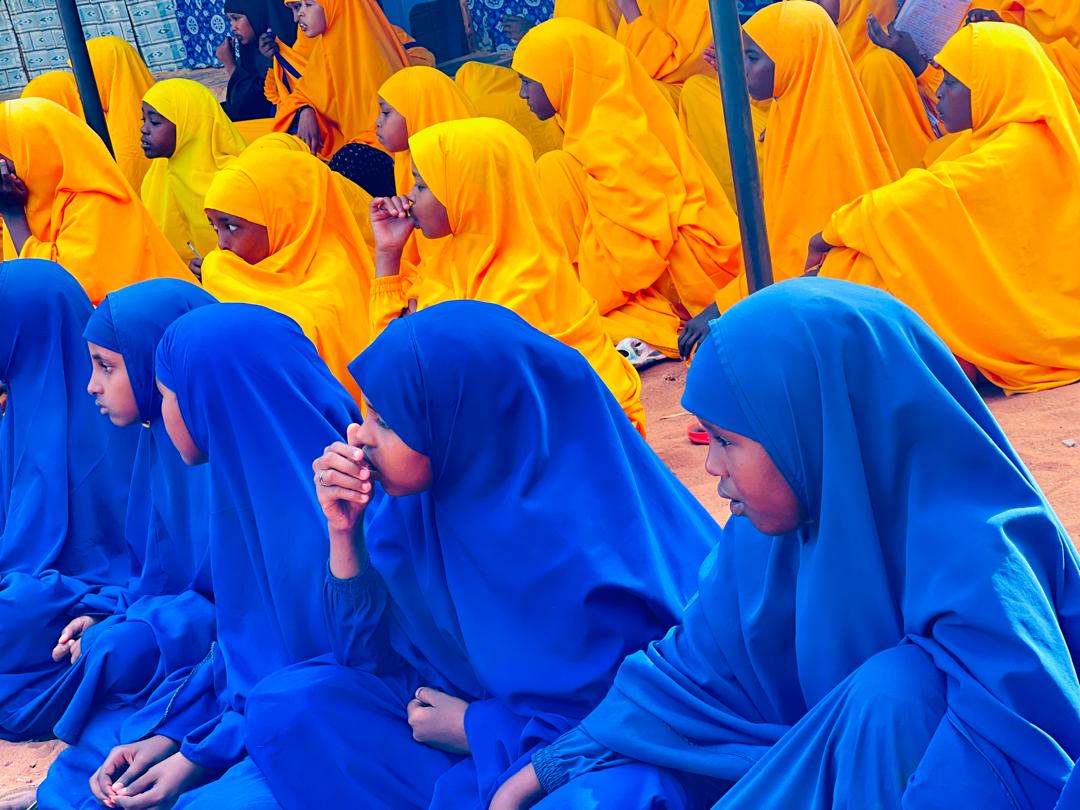
Nearly 70 % of Somalia’s population depend on agricultural and pastoralist livelihoods. Livestock accounts for around 40% of GDP and more than 50% of export earnings for Somalia. That means nearly 8 million Somalis are dependent on livestock production to survive. Livestock production and animal husbandry requires reliable supplies of water and pasture land. However, farmers and pastoralists in Somalia are becoming increasingly sensitive to the intense droughts, residual flooding, and loss of grazing land caused by climate change.

In Somalia Hiran region of Hirshabelle state, pastoralists are grappling with frequent and severe droughts, affecting their herds and their livelihoods. Large numbers of livestock in this area have died, putting more pressure on an already weak economy. Climate change and resource scarcity are exacerbated by a lack of policies on land-use and disaster risk management at the national level.
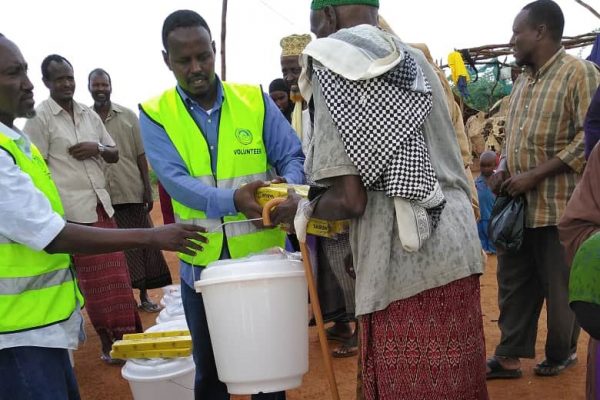
CoDHNet’s Environment Project has been working with government institutions, district authorities and local communities to ensure that Somali men and women have the resources and support needed to deal with the environmental and economic impact of climate change.