Health & Nutrition Programme
- Health and Nutrition Programme
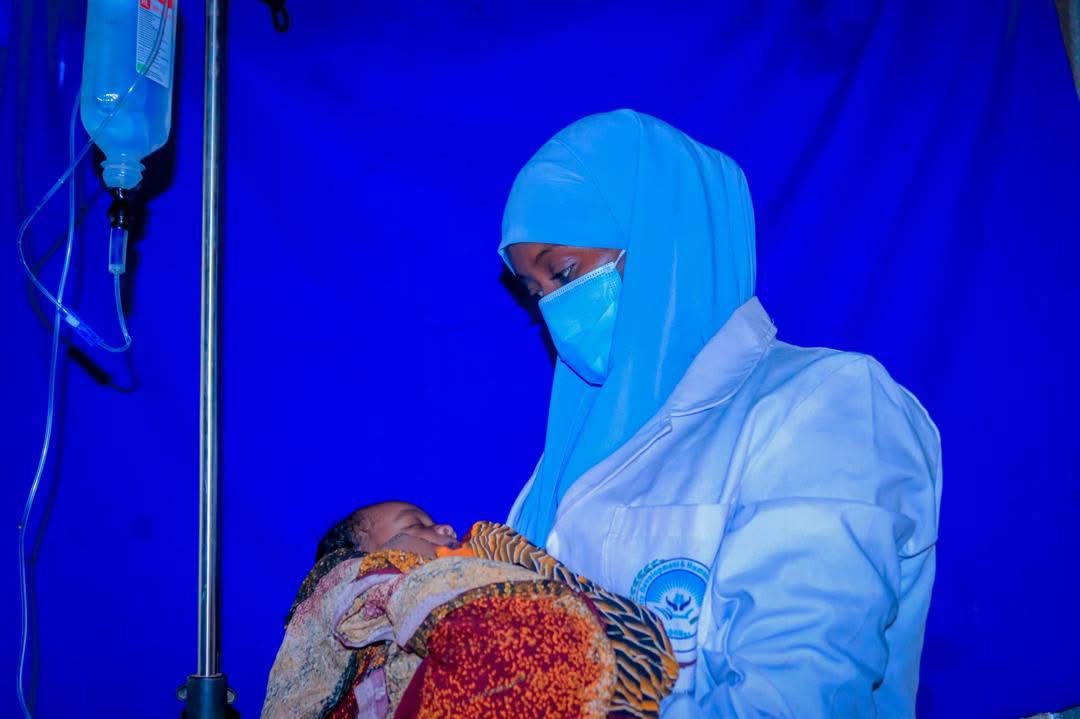
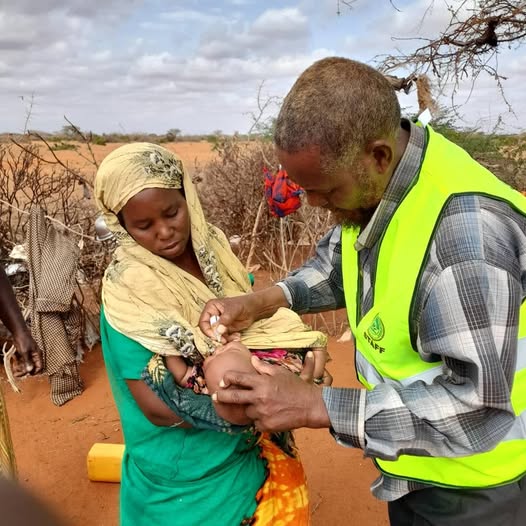
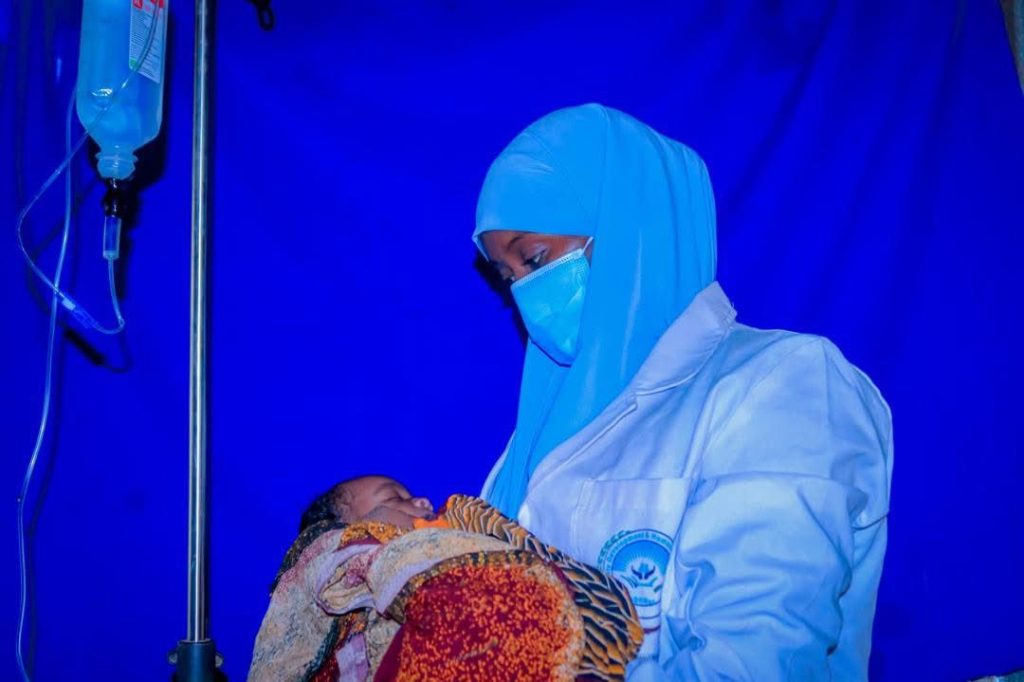
CoDHNet is committed to improving community health and well-being by expanding access to essential healthcare services and strengthening nutrition support for vulnerable populations. Our programs focus on preventive care, community outreach, and health system strengthening, ensuring that communities—especially women, children, and other at-risk groups—can access life-saving services.
We support initiatives that promote maternal and child health, nutrition education, and community-based healthcare, helping to reduce preventable illnesses and improve overall health outcomes.
Key Interventions:
- Integrated Mental Health Services: Delivery of comprehensive mental health and psychosocial support, including rehabilitation, gender-based violence (GBV) response, sexual and reproductive health and rights (SRHR), disaster preparedness and response, and primary healthcare.
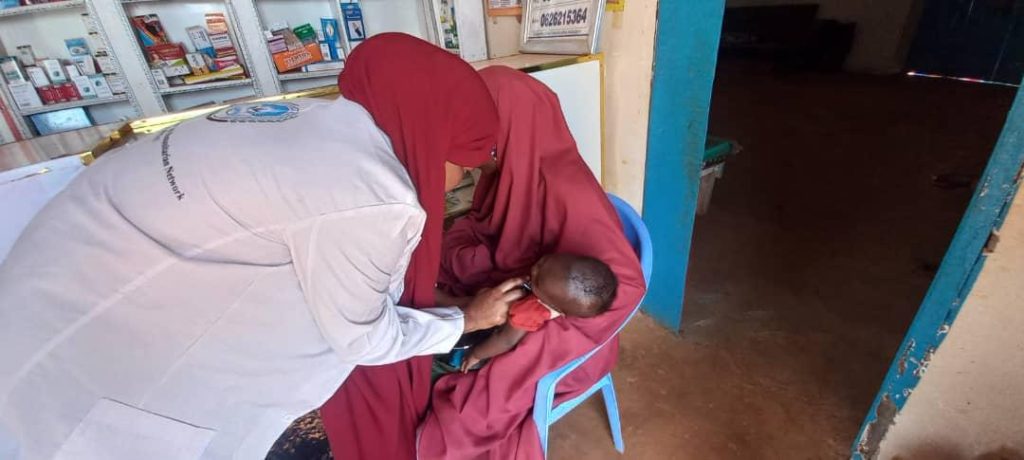
- Primary Healthcare Access: Improving availability and quality of essential healthcare services at the community level.
- Maternal, Newborn, and Child Health Programs: Supporting safe pregnancies, deliveries, and early childhood care.
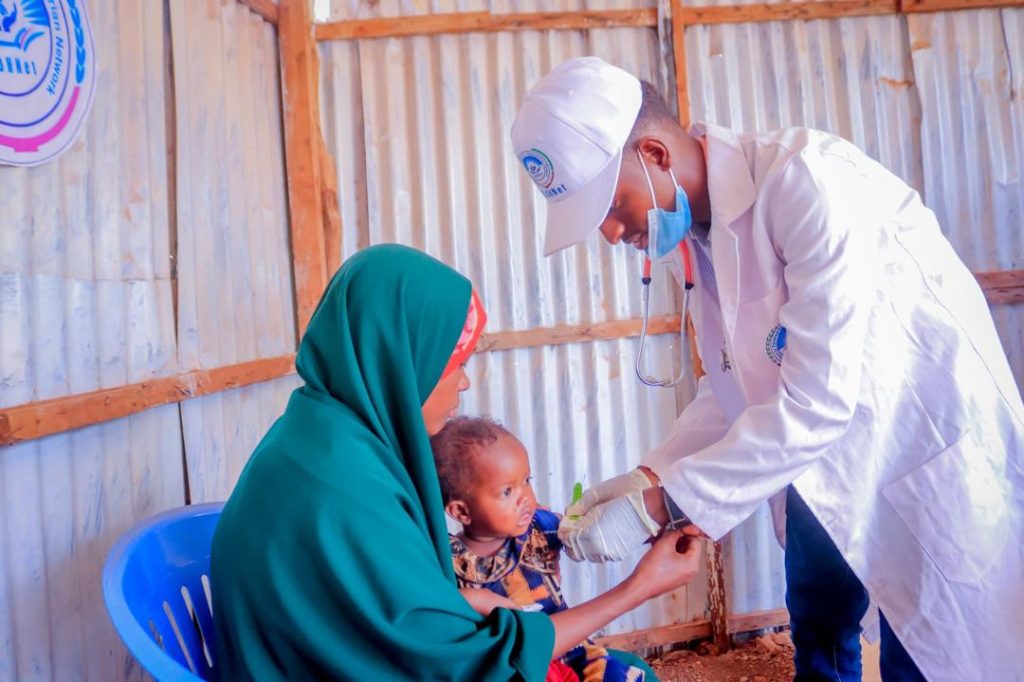
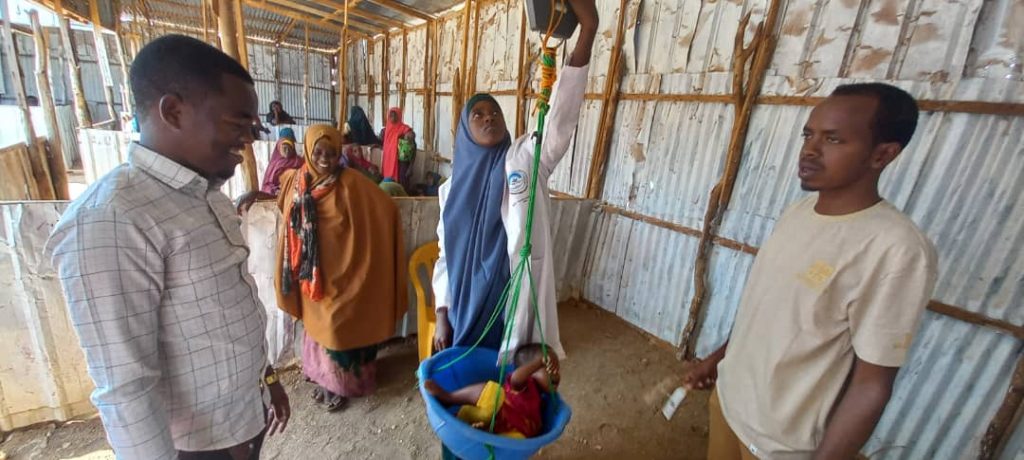
- Nutrition Programs: Addressing malnutrition through community-based interventions, education, and awareness campaigns.
- Disease Prevention and Control: Implementing malaria, HIV/AIDS, and tuberculosis (TB) prevention and treatment initiatives.
- Vector-Borne Disease and Environmental Health: Promoting preventive measures and resilience against environmental health risks.
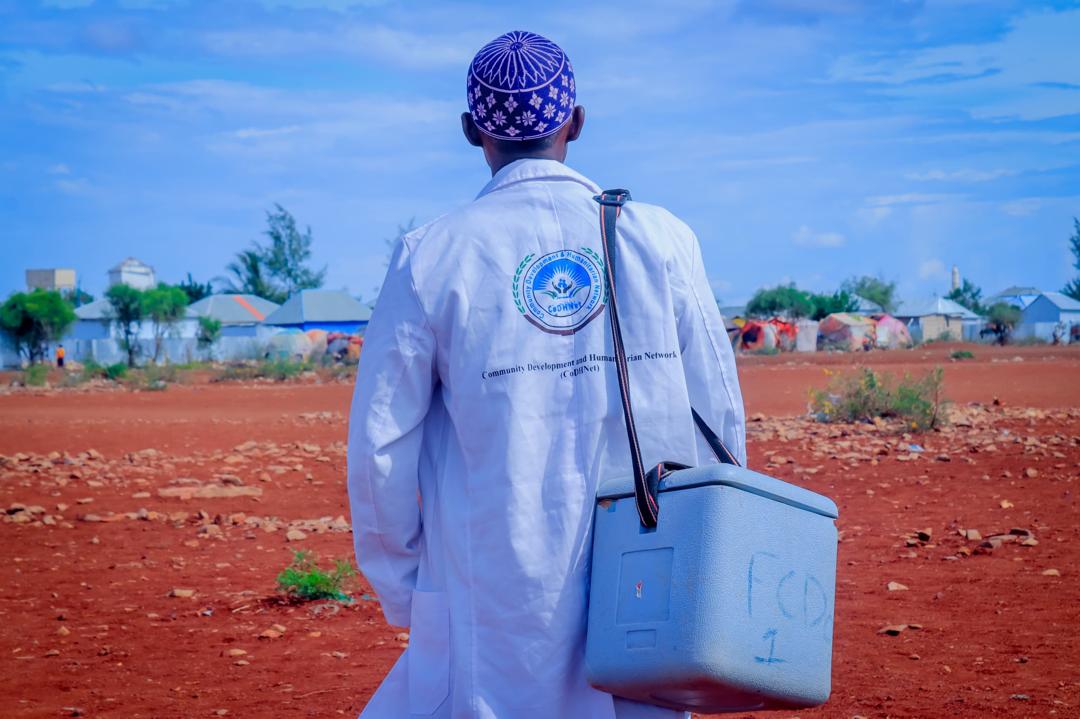
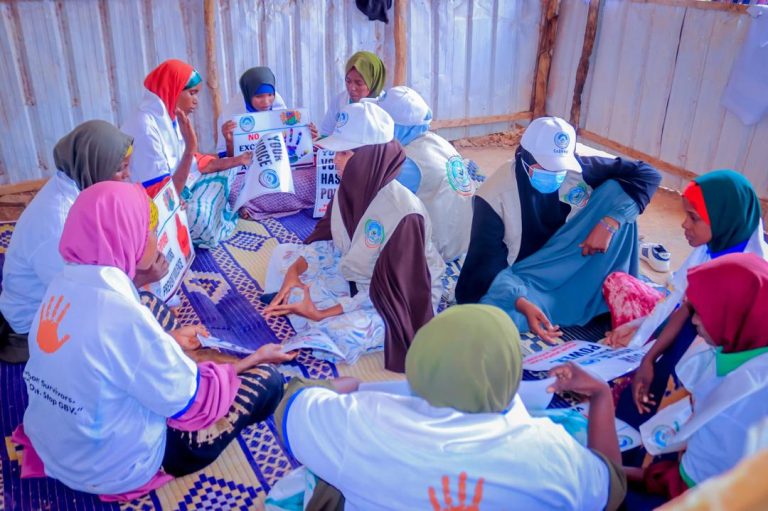
- Community Health Outreach: Raising awareness, building local capacity, and strengthening linkages between communities and health systems.
Through strong partnerships with local communities, health authorities, and stakeholders in Kenya and Somalia, CoDHNet builds healthier, more resilient communities capable of preventing, responding to, and recovering from health challenges.
🎯 Program Goals
CoDHNet works to improve health, well-being, and social resilience through integrated and targeted interventions. Our key goals include:
- Integrate Mental Health into HIV Interventions: Enhance mental health support within HIV prevention, care, and response programs, ensuring holistic health services for affected individuals.
- End Violence and Empower Women and Girls: Promote nonviolent, equitable, and respectful relationships while addressing gender-based violence and supporting women’s and girls’ empowerment.
- Strengthen Sexual and Reproductive Health and Rights (SRHR): Increase access to quality, holistic SRHR services for young people, including education, counseling, and health services.
- Prevent and Respond to Alcohol and Drug Abuse (ADA): Enhance prevention, early intervention, response, and rehabilitation among children, youth, young women, and persons with disabilities.
- Promote Mental Health Awareness and Prevention: Increase knowledge and awareness about mental health, supporting early identification and prevention of mental health conditions among the general population.
Through these goals, CoDHNet aims to build healthier, safer, and more resilient communities, addressing both immediate needs and long-term well-being.
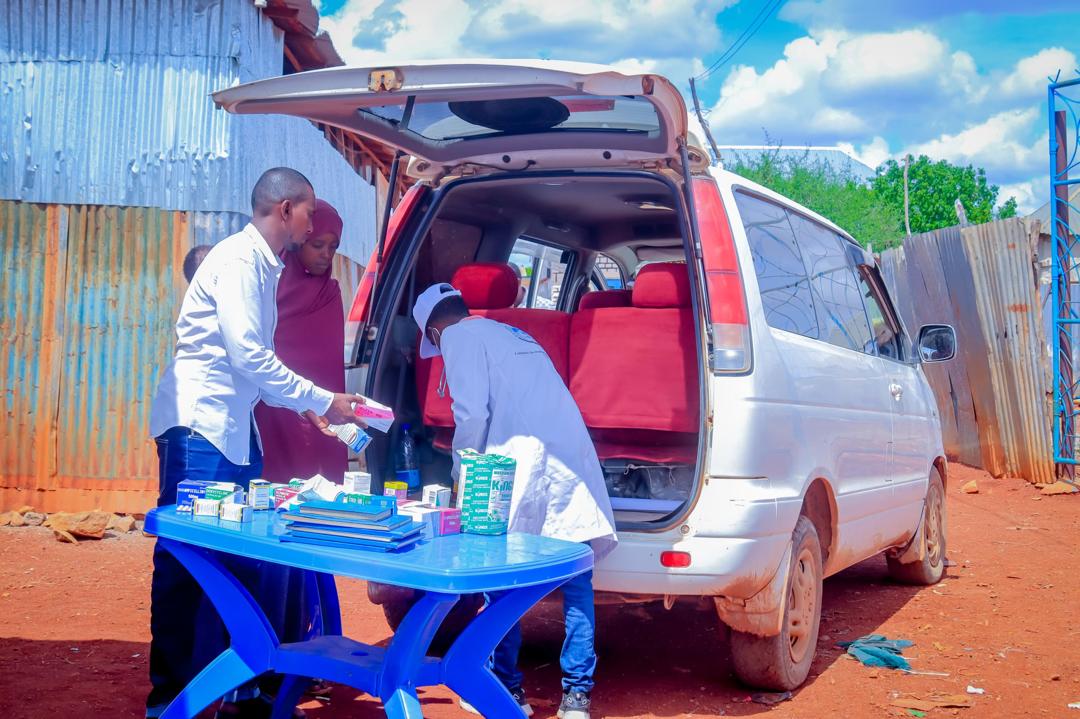
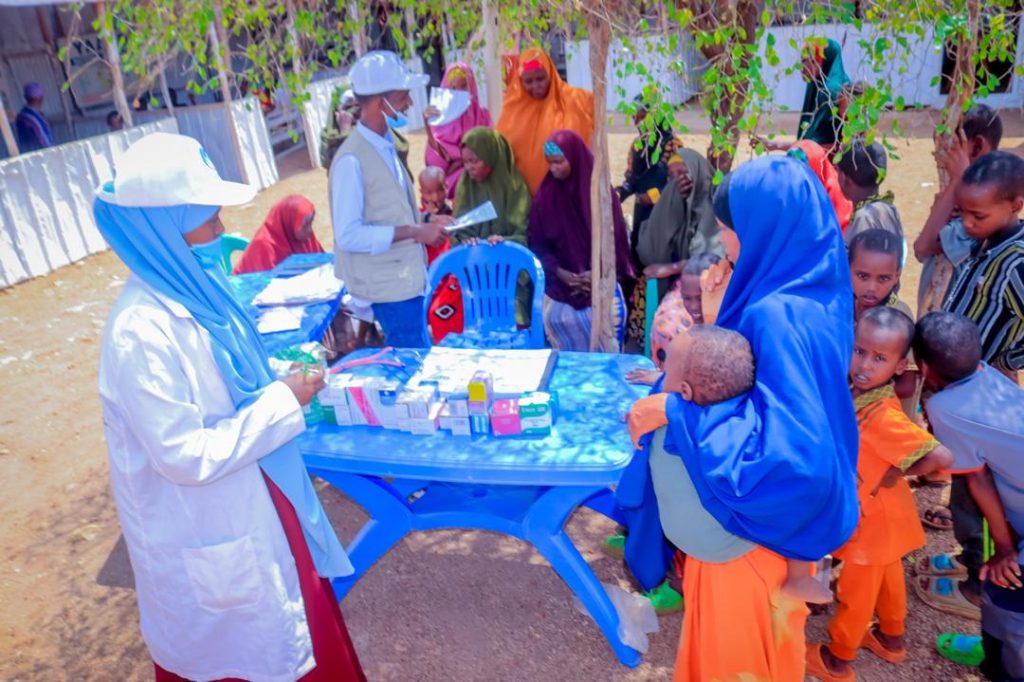
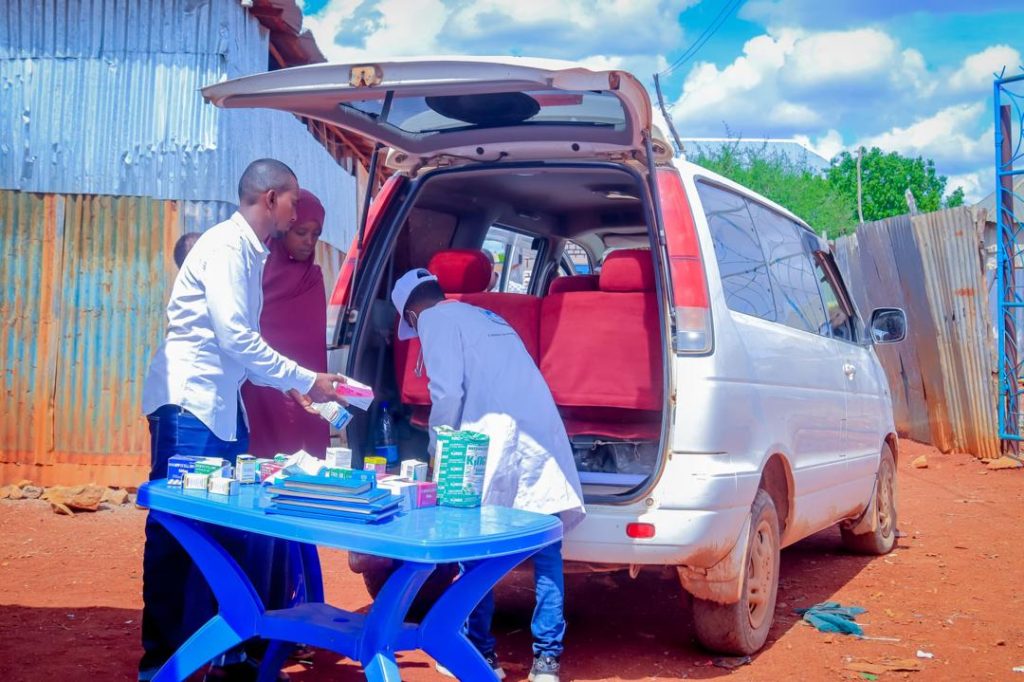
CoDHNet works to improve healthcare access and address malnutrition, particularly in vulnerable and underserved populations. We provide mobile health services, nutritional support, and health education to at-risk communities.
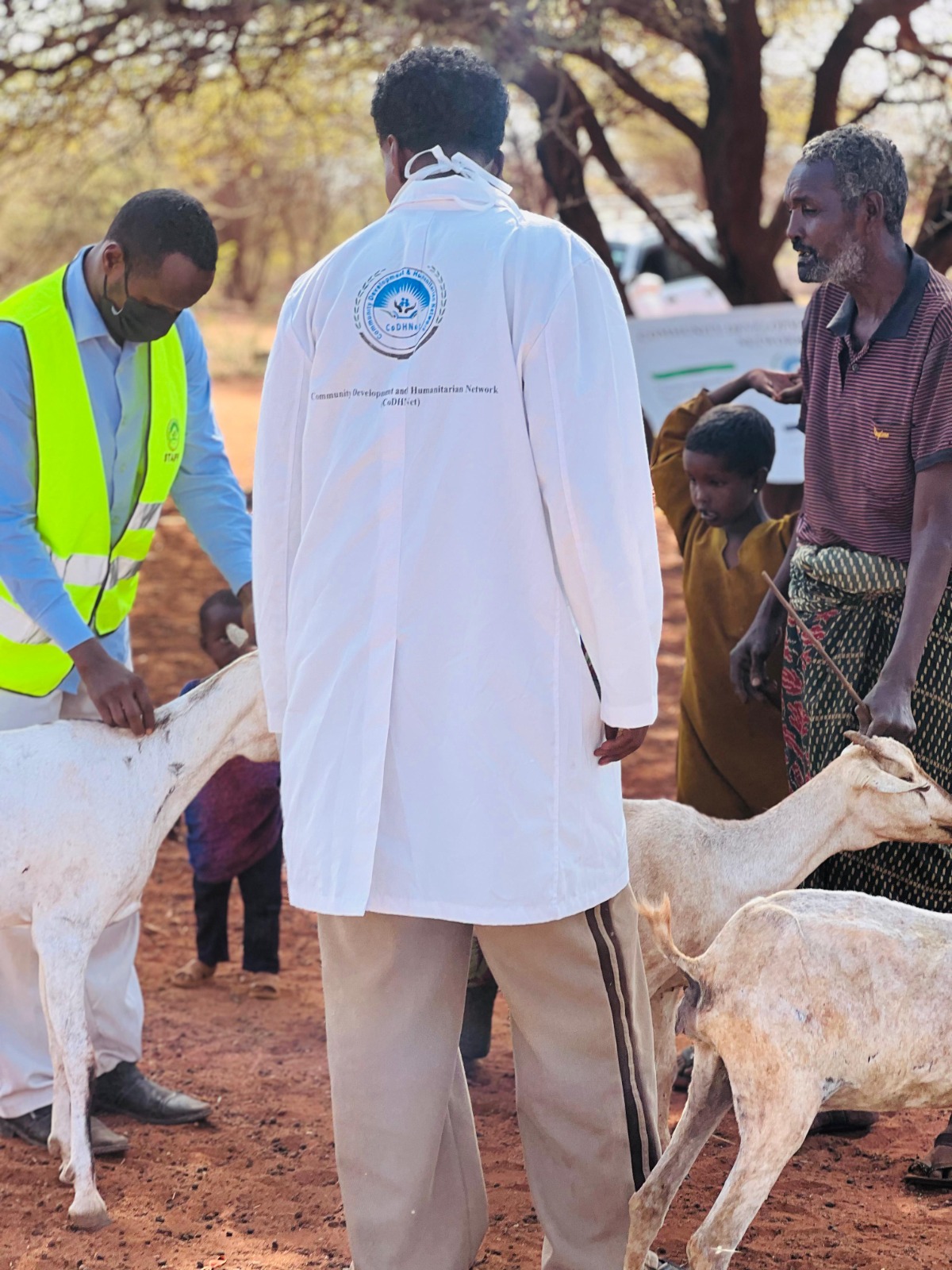
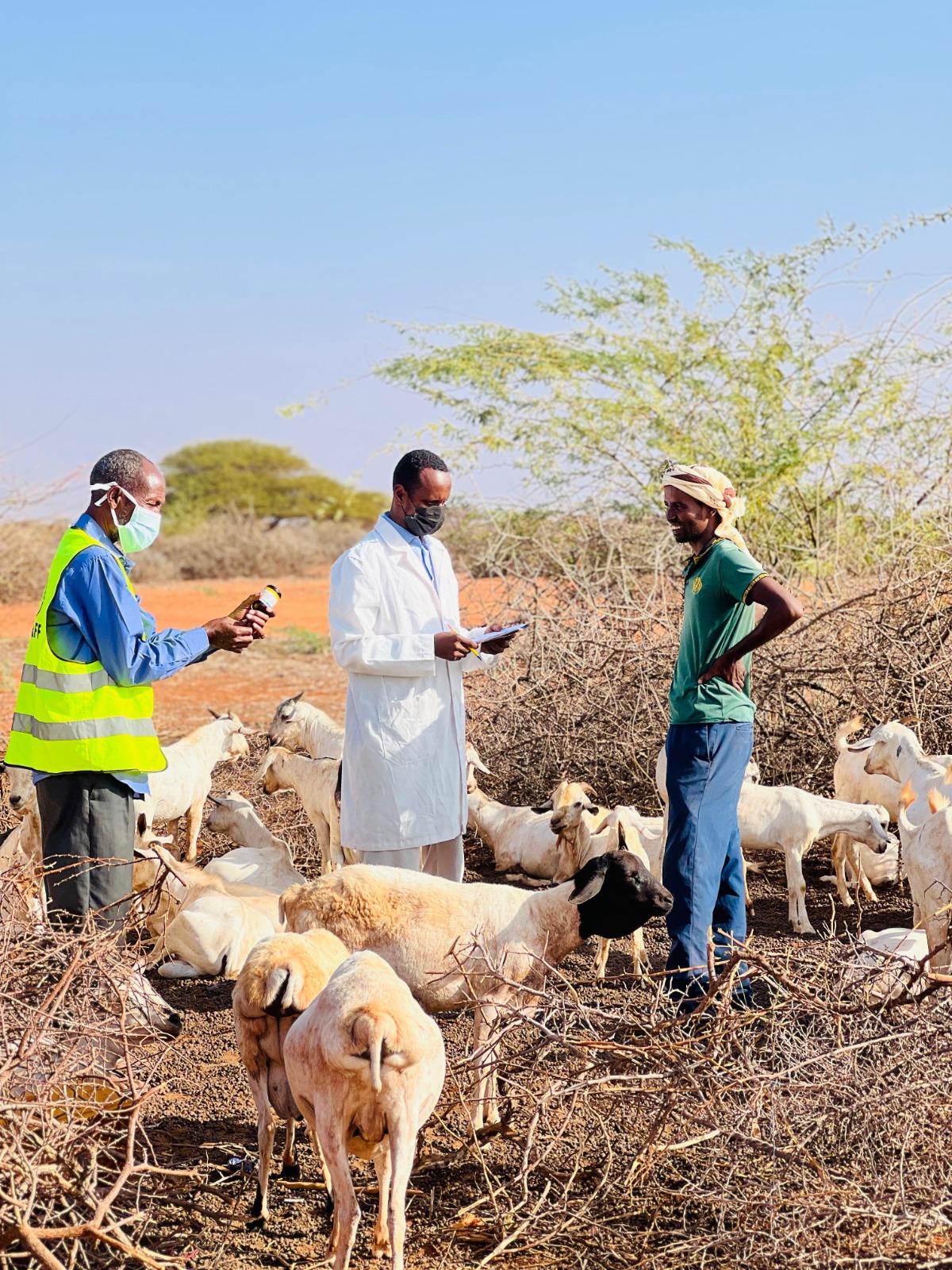
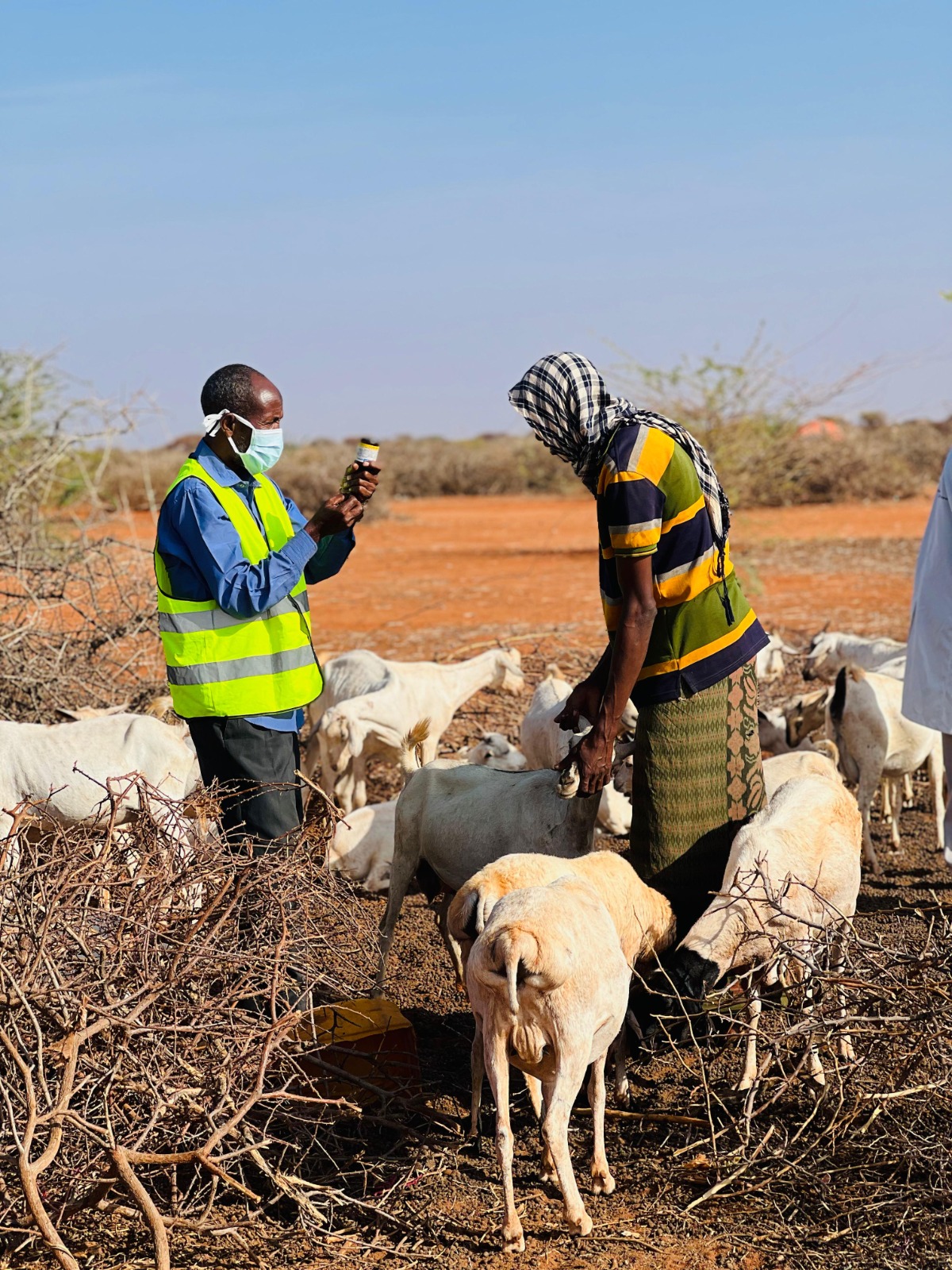
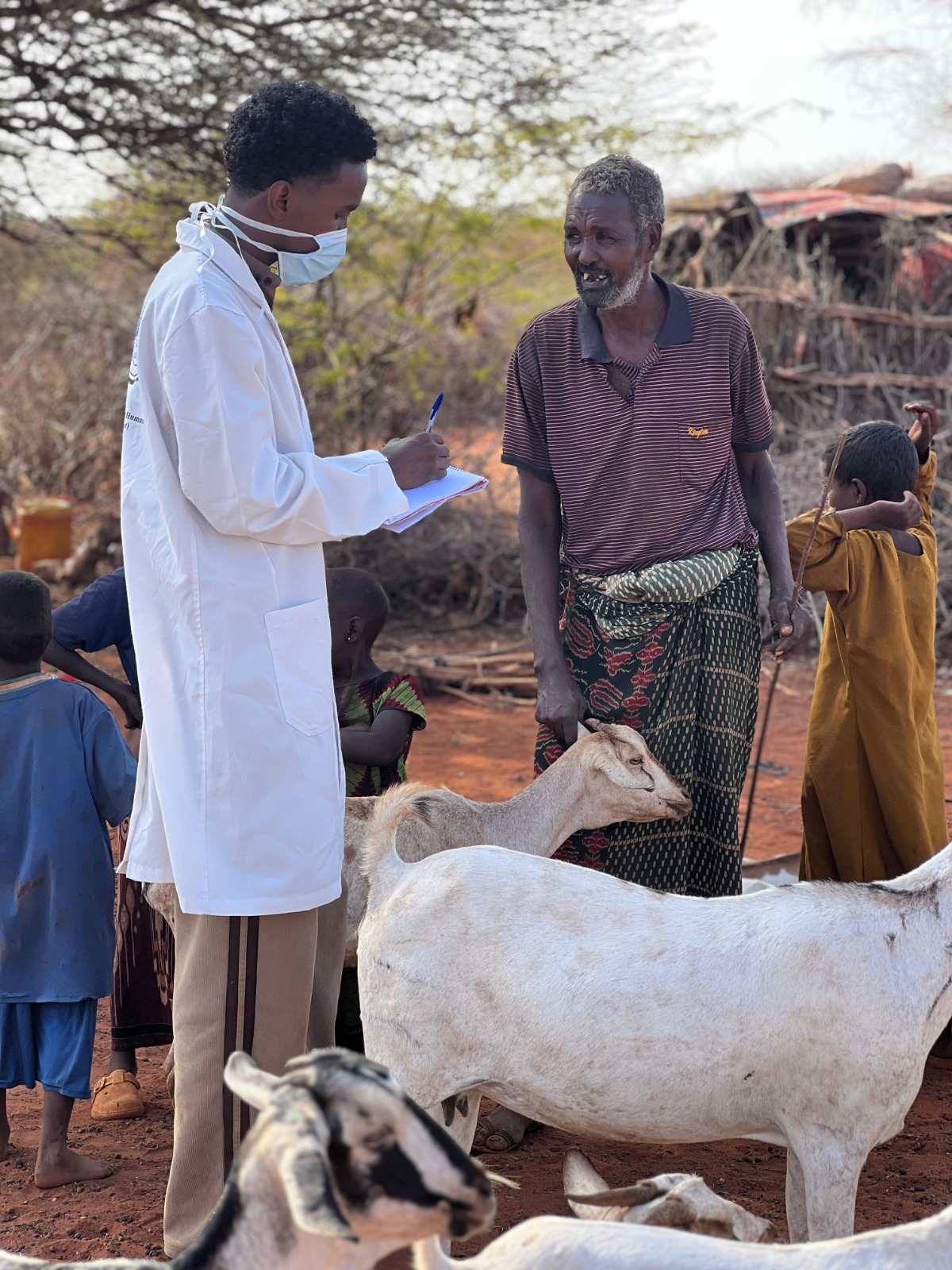
The One Health for Humans, Environment, Animals, and Livelihoods (HEAL) Program is a holistic approach that emphasizes the interconnectedness of human, animal, and environmental health to improve overall community well-being and resilience. Below are the proposed pillars or thematic areas for the HEAL program:
Where We Work:
- Somalia: CoDHNet implements its programs across several regions in Somalia, including Gedo, Banadir, Jubbaland, and Bay. Our work focuses on education, health, nutrition, WASH, livelihoods, and peacebuilding, particularly in conflict and disaster-affected areas.
- Kenya: We are actively engaged in Mandera, Wajir, Garissa and rest of ASAL Counties and Nairobi county, where we implement programs to improve education, food security, and livelihoods, while also advocating for human rights and social inclusion.
- Integrated Human Health Services
- Primary Health Care (PHC): Provide essential health services, including maternal and child health, immunization, and management of communicable and non-communicable diseases.
- Nutrition Support: Address malnutrition through therapeutic feeding, dietary education, and community-based nutrition interventions.
- Health Education: Raise awareness on disease prevention, hygiene practices, and healthy living habits.
- Mental Health and Psychosocial Support (MHPSS): Provide counseling, trauma recovery, and support for mental well-being, particularly for vulnerable populations.
- HIV/AIDS, Tuberculosis, and Malaria programs delivered through one health platform
- Animal Health and Livelihoods
- Veterinary Services: Ensure animal vaccination, disease surveillance, and treatment to protect livestock health.
- Livestock-Based Livelihoods: Strengthen income-generating activities for pastoralists and agro-pastoralists, such as dairy and meat production, and value chain development.
- Zoonotic Disease Control: Prevent and manage zoonotic diseases (e.g., Rift Valley Fever, brucellosis) through integrated surveillance and response systems.
- Environmental Health and Climate Resilience
- WASH (Water, Sanitation, and Hygiene): Improve access to safe drinking water, sanitation facilities, and hygiene promotion to prevent waterborne diseases.
- Climate-Smart Practices: Promote sustainable agricultural techniques, water resource management, and renewable energy solutions to enhance community resilience to climate shocks.
- Biodiversity and Ecosystem Health: Protect ecosystems by promoting reforestation, sustainable land use, and natural resource conservation.
- Disease Surveillance and Response
- Integrated Surveillance: Establish systems to monitor and detect emerging human and animal health threats, including zoonotic diseases.
- Rapid Response Teams: Develop and train multi-sectoral teams for timely responses to outbreaks and emergencies.
- Community Engagement: Empower communities to participate in disease reporting and prevention strategies.
🍃 Alcohol and Drug Abuse (ADA) Prevention and Rehabilitation
CoDHNet enhances the prevention, response, and rehabilitation of alcohol and drug abuse among vulnerable populations, including children, youth, young women, and persons with disabilities. Our programs focus on awareness-raising, early intervention, and access to supportive services to reduce the risks associated with substance abuse.Key components include:
- Prevention: Community outreach, education campaigns, and life-skills training to empower at-risk populations to make informed choices.
- Response: Early identification of individuals affected by substance abuse and provision of counseling, psychosocial support, and referral to specialized care.
- Rehabilitation: Support for recovery and reintegration into families, schools, and communities through tailored rehabilitation programs, mentorship, and vocational guidance.
By engaging communities, families, and stakeholders, CoDHNet aims to build resilient individuals and safe, supportive environments, reducing the impact of alcohol and drug abuse and promoting holistic well-being.
- Capacity Building and Knowledge Sharing
- Training Programs: Build the capacity of health workers, veterinarians, and community leaders in One Health approaches.
- Research and Innovation: Encourage research on One Health challenges and solutions, and foster innovation for integrated health services.
- Policy Advocacy: Work with stakeholders to integrate One Health into local, regional, and national policies and frameworks.
- Cross-Cutting Themes
- Gender and Inclusion: Promote equitable access to health and nutrition services, with a focus on women, children, and marginalized groups.
- Community Resilience: Strengthen community-based structures to ensure sustainability and ownership of the HEAL program.
- Partnerships and Collaboration: Foster multi-sectoral partnerships among government, NGOs, and private sectors for coordinated One Health interventions.
- Impact of the HEALTH Program
- Improved Community Health: Enhanced access to integrated human and animal health services reduces disease burden and improves overall well-being.
- Resilient Livelihoods: Strengthened livelihoods and reduced vulnerability to climate and disease shocks.
- Environmental Sustainability: Improved environmental health through sustainable practices that benefit humans, animals, and ecosystems.
- Disease Prevention: Reduced risks of zoonotic disease outbreaks through coordinated surveillance and rapid response efforts.
This integrated approach ensures that interventions address the root causes of health challenges while promoting sustainability and resilience.
Keeping You Informed
Latest News & Blogs
Youth and Women Empowerment
👩🦰👨🦱 Youth & Women Empowerment CoDHNet empowers youth and women
Protection & Human Rights
The Protection and Human Rights Program of the Community Development
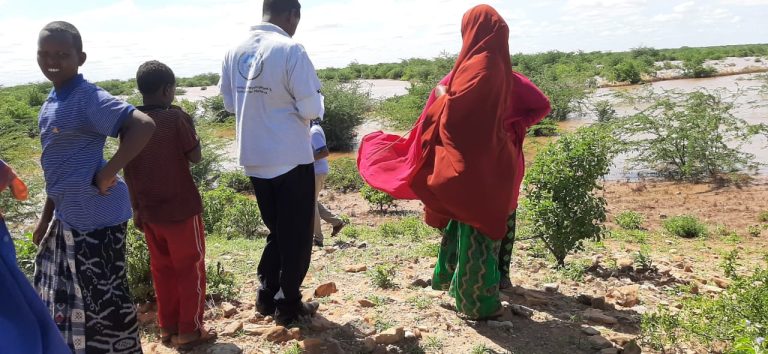
Environmental Protection & Climate Change
The Environmental Protection & Climate Change Program of CoDHNet focuses