
Human Principles
Community Development & Humanitarian Network (CoDHNet)
- Humanitarian Principles
Guiding Ethical and Effective Humanitarian Action
The Community Development and Humanitarian Network (CoDHNet) operates in accordance with internationally recognized humanitarian principles that guide our actions, decision-making, and engagement with communities.
These principles ensure that our humanitarian and development programs are ethical, impartial, transparent, and focused on protecting the dignity, rights, and wellbeing of the people we serve across Somalia and Kenya.
Our Commitment to Humanitarian Standards.
At CoDHNet, humanitarian action is guided by a strong commitment to internationally accepted humanitarian values and operational standards. These principles help ensure that our interventions remain fair, accountable, and centered on the needs of affected communities.
Through these guiding principles, CoDHNet works to deliver assistance that protects lives, strengthens resilience, and promotes sustainable development while maintaining trust with communities, partners, and donors.
Humanitarian Principles:
1. Humanity
CoDHNet is committed to preventing and alleviating human suffering wherever it is found. Our humanitarian work prioritizes the protection of life, health, and human dignity.
We strive to ensure that vulnerable populations affected by conflict, disasters, poverty, and climate shocks receive timely, appropriate, and life-saving assistance.
2. Neutrality
CoDHNet does not take sides in hostilities or engage in controversies of a political, racial, religious, or ideological nature.
Maintaining neutrality allows our organization to gain access to communities in need and deliver humanitarian assistance safely and fairly without influencing or being influenced by political interests.
3. Impartiality
CoDHNet provides assistance solely based on humanitarian need.
Our programs do not discriminate based on nationality, ethnicity, gender, religion, political opinion, or social status. We prioritize the most vulnerable populations to ensure equitable access to services and resources.
4. Independence
CoDHNet maintains operational independence in all humanitarian activities.
While we collaborate with governments, donors, and development partners, our decisions remain guided by humanitarian needs and principles, ensuring that assistance remains free from political or external influence.
5. Accountability
CoDHNet is accountable to the communities we serve, our donors, and our partners.
We promote transparency, responsible use of resources, and effective program management. Communities are encouraged to provide feedback and participate in decision-making processes that affect their lives.
6. Participation and Inclusion
CoDHNet believes that sustainable development and humanitarian response must involve the active participation of communities.
We ensure that women, youth, persons with disabilities, and marginalized groups are meaningfully engaged in the design, implementation, and evaluation of programs.
7. Do No Harm
CoDHNet applies conflict-sensitive approaches to all interventions to ensure that humanitarian assistance does not unintentionally contribute to conflict, inequality, or vulnerability.
Through careful planning and risk assessment, we aim to strengthen social cohesion and promote peace within communities.
8. Respect for Human Rights
CoDHNet upholds and promotes fundamental human rights in all humanitarian and development efforts.
We work to ensure that dignity, protection, equality, and justice remain central to our programs and advocacy initiatives.
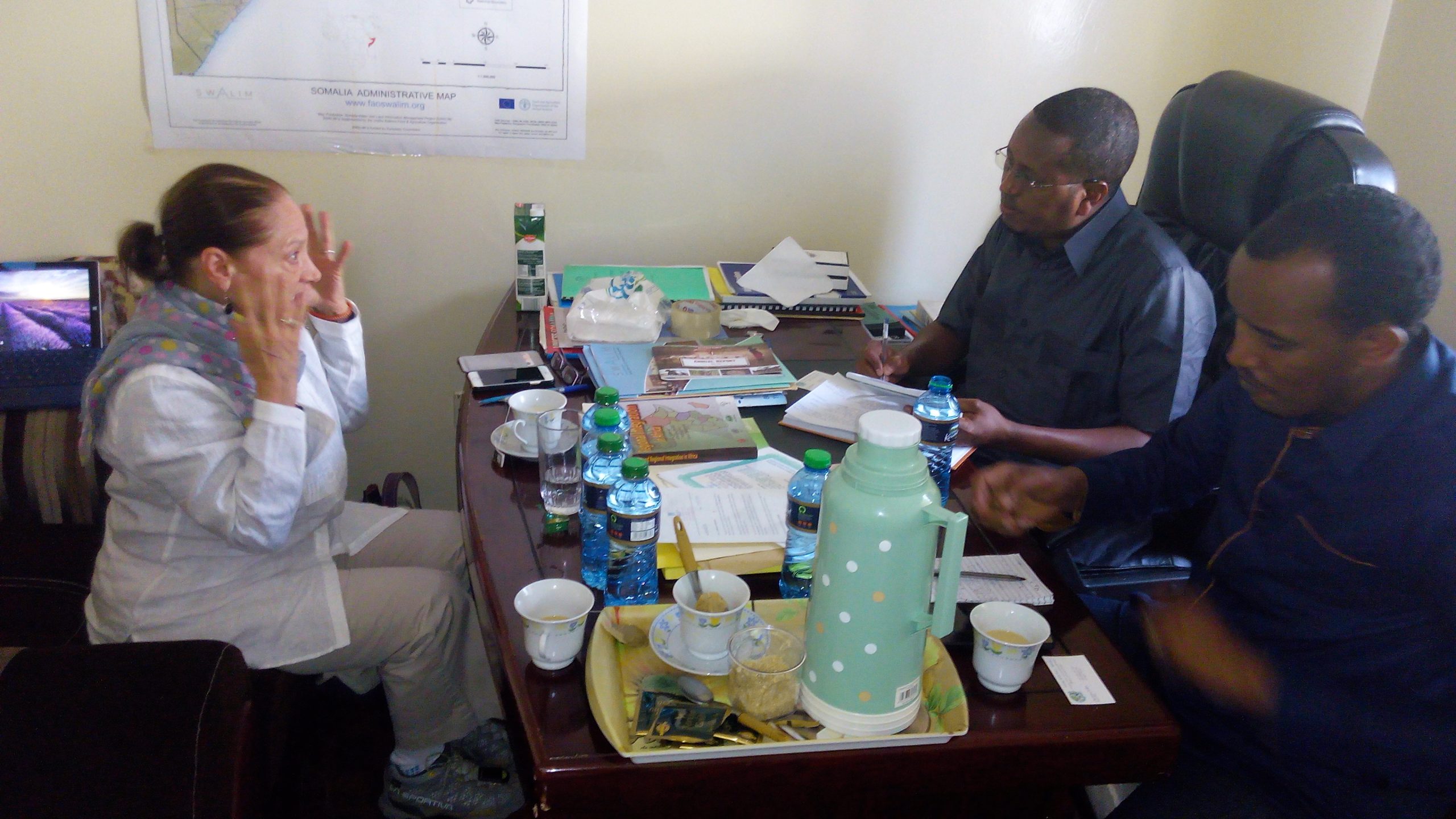
Our Guiding Values in Action
By adhering to these humanitarian principles, CoDHNet ensures that all programs are delivered with integrity, transparency, and respect for human dignity. These principles form the foundation of our work to support vulnerable communities and build resilient, inclusive societies across the region.
- Organizational Governance Structure
Community Development and Humanitarian Network (CoDHNet)
CoDHNet maintains a transparent and accountable governance structure designed to ensure effective leadership, responsible management, and strategic oversight of all organizational activities.
1. Board of Directors
The Board of Directors provides strategic guidance, policy oversight, and accountability for the organization. The Board ensures that CoDHNet operates in accordance with its mission, values, and legal obligations.
Key responsibilities include:
Setting strategic direction and organizational policies
Approving annual plans, budgets, and financial reports
Ensuring compliance with legal and regulatory requirements
Monitoring organizational performance and impact
2. Executive Management
The Executive Management Team is responsible for the day-to-day leadership and implementation of CoDHNet programs and operations.
The team typically includes:
Executive Director
Program Director
Finance and Administration Manager
Monitoring and Evaluation Officer
Program Coordinators
3. Program Departments
CoDHNet organizes its programmatic work through specialized departments aligned with its core thematic areas:
Health and Nutrition
Water, Sanitation and Hygiene (WASH)
Food Security and Livelihoods
Education and Youth Empowerment
Protection and Human Rights
Climate Change and Disaster Risk Reduction (DRR)
Peacebuilding and Social Cohesion
4. Regional and Field Offices
To ensure effective implementation and community engagement, CoDHNet operates field offices and local program teams in areas where it delivers services in Somalia and Kenya.
5. Community Engagement Structures
CoDHNet works closely with community committees, local leaders, and civil society partners to promote participation, transparency, and accountability.
- Monitoring, Evaluation, Accountability and Learning (MEAL) Framework
CoDHNet uses a robust Monitoring, Evaluation, Accountability and Learning (MEAL) system to ensure that programs are effective, transparent, and responsive to community needs.
1. Monitoring
Regular monitoring is conducted to track project activities, outputs, and progress toward objectives. Monitoring tools include:
Field monitoring visits
Beneficiary tracking systems
Data collection surveys
Program performance indicators
2. Evaluation
Periodic evaluations are conducted to assess the relevance, effectiveness, efficiency, impact, and sustainability of CoDHNet programs.
Evaluations may include:
Mid-term evaluations
End-line evaluations
External independent assessments
3. Accountability
CoDHNet ensures accountability through:
Transparent reporting to donors and stakeholders
Community feedback mechanisms
Public communication of program results
4. Learning and Adaptation
Lessons learned from monitoring and evaluation processes are used to improve program design, strengthen implementation strategies, and promote innovation.
- CoDHNet Objectives
- To increase access to education at all levels including Non-formal, particularly encouraging girls to go to school
- To improve protection & the rights among vulnerable people including IDPs and Refugee
- To increase access to public health care service among vulnerable poor households at both urban and rural areas in Somalia and Kenya
- To promote sustainable and low cost WASH interventions at both rural and urban settlements
- To promote sustainable agricultural/livestock production technologies ensuring improved food security and reduction of food aid dependency level in Somalia and Kenya
- To promote good governance and gender equitability with special focus on women/girls empowerment and eliminations of all forms of violence against women including FGM, rape, domestic violence, etc
- To promote sustainable community based natural resource management and integrated livelihood diversification to improve the long term resilience of the community
- CoDHNet Specific Objectives
- Serves individuals, families, groups and the poorest communities living in Somalia and Kenya, drawing strength from our area of diversity, resource and experience.
- Promotes innovative solutions while lobbying and advocating for better quality of life for the target Somali communities and in this regard monitors, documents and publishes any human rights abuses and violation in Horn of Africa
- Reduces human suffering due to avoidable problems/disasters.
- To improve the capacity of CoDHNet staff, civil society organizations including community based organisations and other relevant stakeholders.
- To increase and develop food security in Somalia and Kenya through facilitation of agricultural input supply, technology enhancement & farmers’ capacity enhancement.
- To change the current atmosphere of insecurity and poor governance through conflict resolution, promotion of democracy and human rights.
- To support environmental protection to reduce the hazards that negatively affect it.
- To improve the socio-economic status of both rural and urban communities in Somalia and Kenya by supporting various basic social and economic services e.g. education, water sanitation & hygiene etc.
- Prevention and awareness rising of HIV/AIDS and other preventable diseases through awareness campaigns and psycho-social and economic support.
Keeping You Informed
Latest News & Blogs
Youth and Women Empowerment
👩🦰👨🦱 Youth & Women Empowerment CoDHNet empowers youth and women
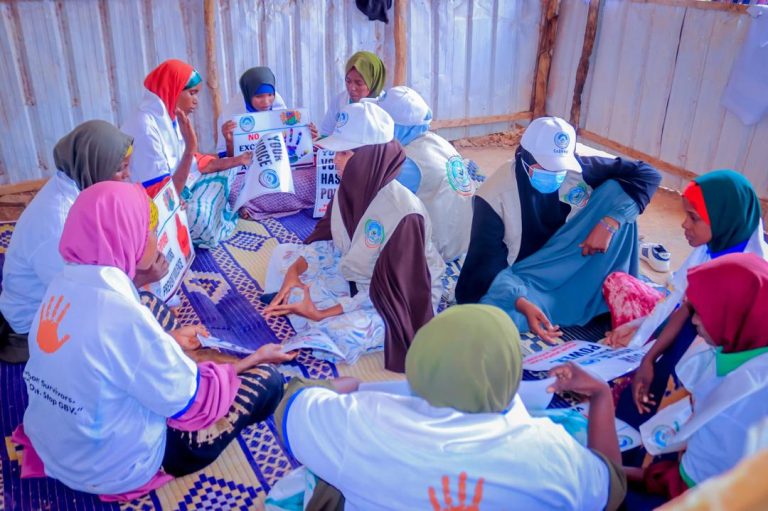
Protection & Human Rights
The Protection and Human Rights Program of the Community Development
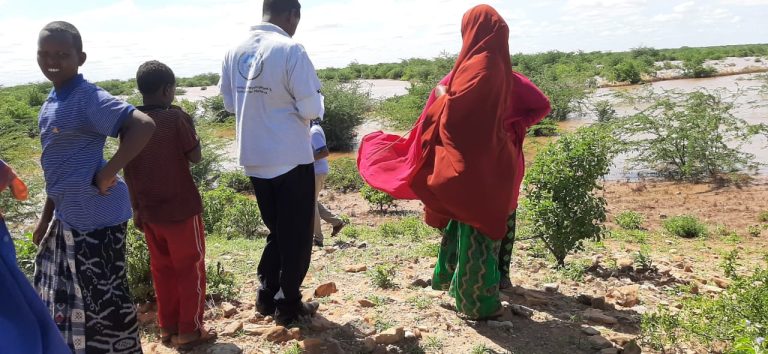
Environmental Protection & Climate Change
The Environmental Protection & Climate Change Program of CoDHNet focuses