Water, Sanitation & Hygiene (WASH)

Access to clean water, proper sanitation, and hygiene education is fundamental to improving health and quality of life, especially in crisis-affected communities. CoDHNet’s WASH Program addresses the critical water and sanitation needs of vulnerable populations while promoting sustainable hygiene practices to reduce disease outbreaks and enhance well-being.

Ensure Access to Safe Water, Sanitation Facilities, and Improved Hygiene Practices for Crisis-Affected and Vulnerable Communities.

Key Focus Areas

  1. Safe Water Access
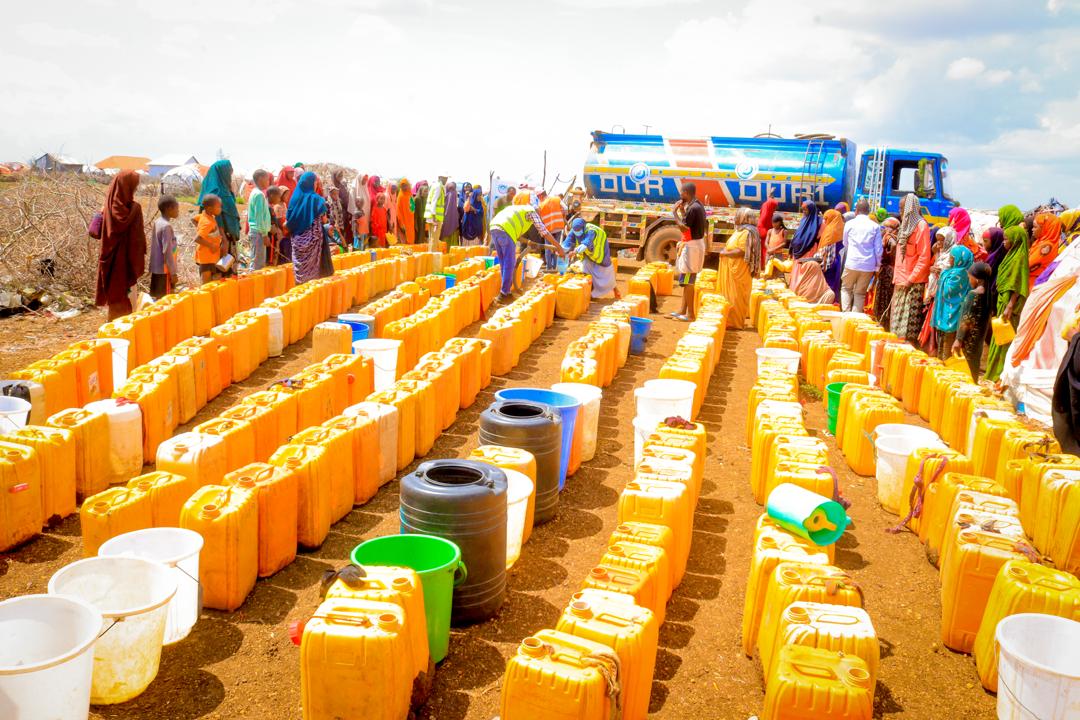
  • Water Trucking and Emergency Supplies: Provide emergency water trucking services to ensure immediate access to clean drinking water during droughts or crises.
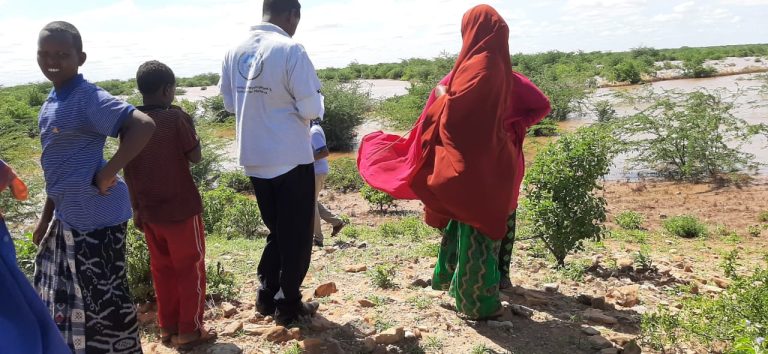
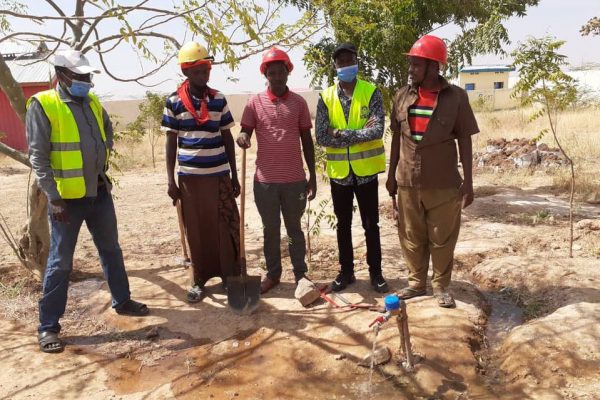
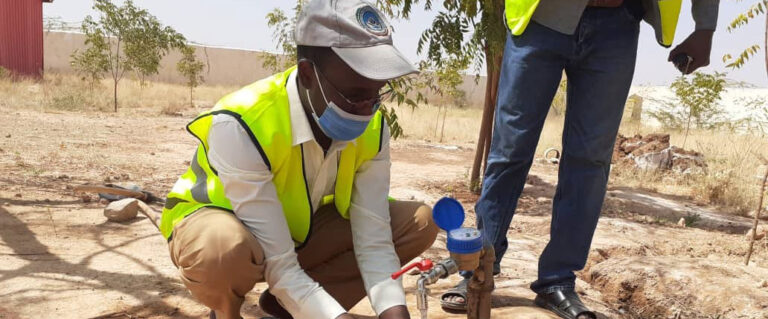
  • Rehabilitation of Water Sources: Repair and upgrade boreholes, wells, and water supply systems in drought- and flood-affected areas.
  • Sustainable Water Solutions: Introduce rainwater harvesting systems and solar-powered water pumps to promote long-term water security.
  1. Sanitation Facilities
  • Construct and rehabilitate gender-sensitive latrines in schools, health facilities, and IDP camps.
  • Ensure proper waste disposal systems to prevent contamination of water sources and living environments.
  • Promote community-led sanitation programs, encouraging households to build and maintain their own latrines.
  1. Hygiene Education
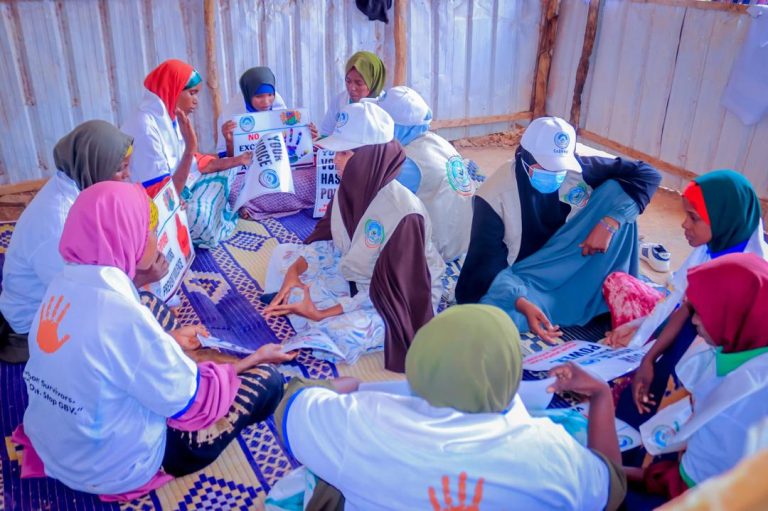
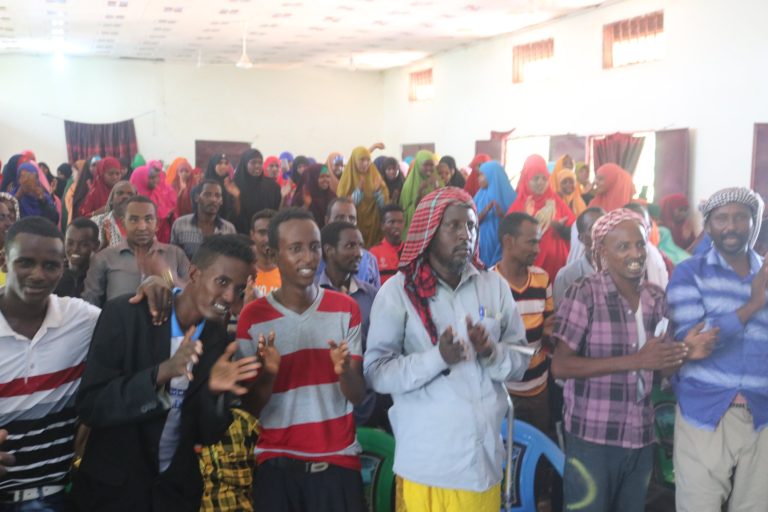
  • Conduct hygiene promotion campaigns focusing on handwashing, menstrual hygiene, and safe water storage.
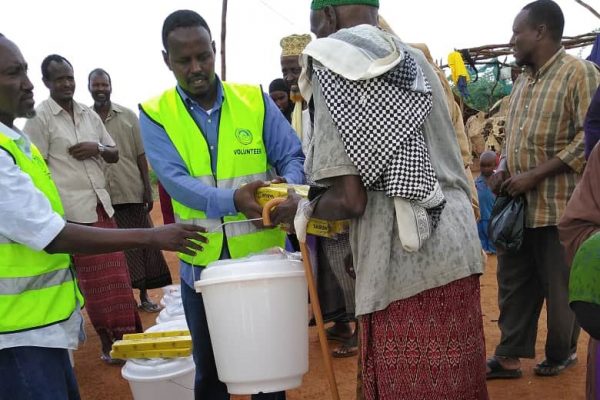
  • Distribute hygiene kits, including soap, menstrual products, and jerrycans, to vulnerable households and schools.
  • Engage schools and community leaders in hygiene education to ensure sustainable behavior change.
  • Safe Water Provision: Delivered clean water to 647 beneficiaries in Tulo Jibril and Abubakar Orphanage School through emergency water trucking.
  • Sanitation Improvement: Constructed 15 latrines in IDP camps, benefiting over 3,000 individuals.
  • Hygiene Promotion:
    • Reached 3,353 individuals in Baladxawo District and 1,537 students at Baidoa Model School with hygiene awareness sessions.
    • Distributed 80,000 Aquatabs to 80 households and six schools in Baladxawo to prevent cholera outbreaks.
  1. Emergency Response:
    • Preposition hygiene kits and water treatment supplies for rapid deployment in emergencies.
    • Continue water trucking services to drought-hit regions.
  2. Community-Led Solutions:
    • Expand rainwater harvesting systems in schools and health facilities.
    • Train community-based hygiene promoters to sustain good practices.
  3. Environmental Sustainability:
    • Plant 1,000 trees near water sources to protect against soil erosion and ensure water quality.
    • Implement water conservation and recycling initiatives in water-scarce areas.
  • Beletxawa Cholera Prevention:
    A cholera outbreak was averted in Beletxawa after the timely distribution of Aquatabs and hygiene kits, combined with awareness sessions reaching over 5,000 beneficiaries.
  • Solar-Powered Water Pumps in Doolow:
    Installed solar-powered pumps in two IDP camps, providing clean water to 4,500 residents, reducing their reliance on unsafe sources.
  • Partner with Us: Collaborate to improve water, sanitation, and hygiene services in underserved areas.
  • Volunteer: Join our field teams to promote hygiene and implement WASH projects.
  • Donate: Support life-saving WASH interventions for drought- and flood-affected communities.

Keeping You Informed

Latest News & Blogs